.svg)
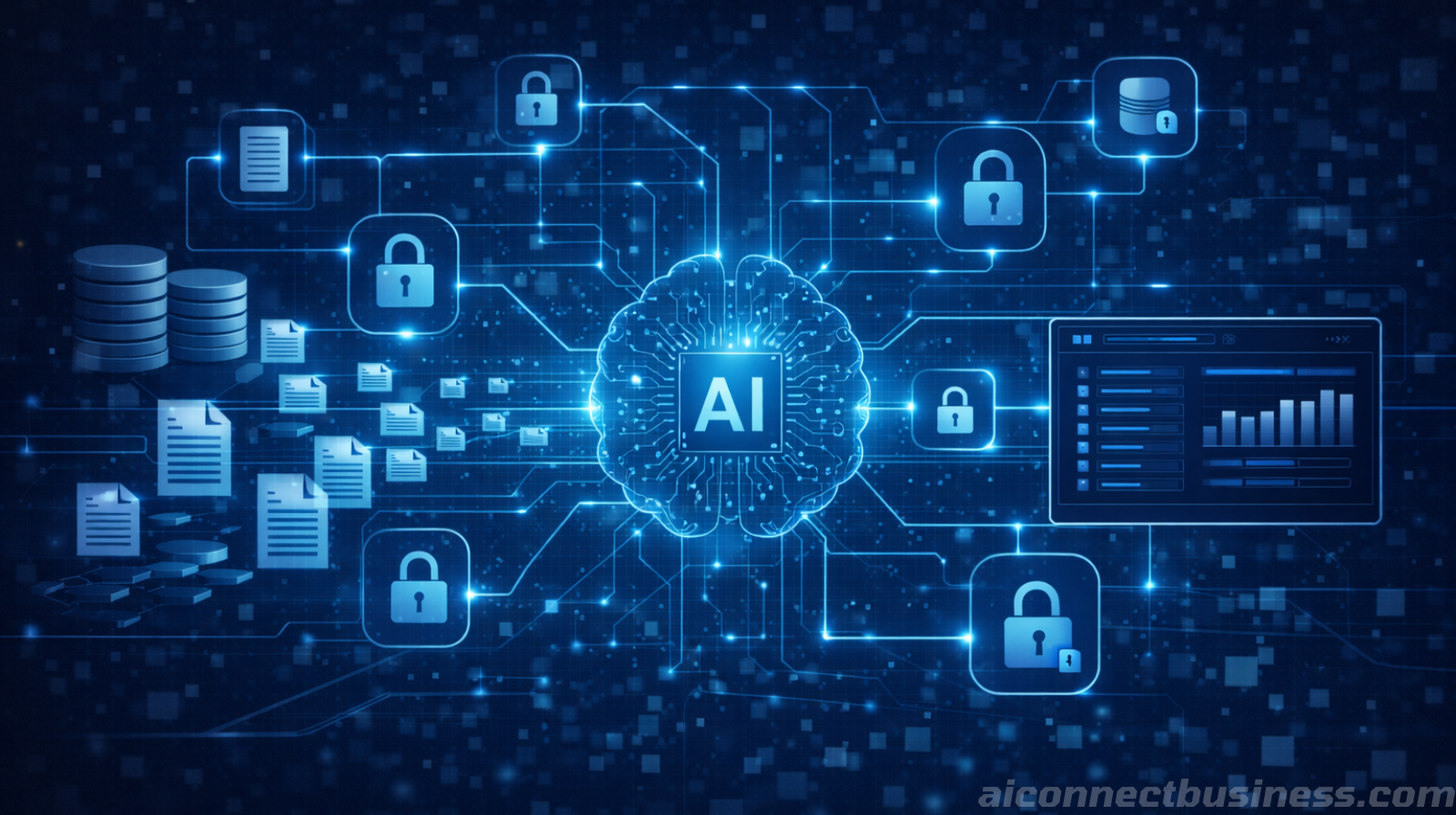
Address common AI security concerns for small businesses. Learn how to implement secure AI automation, RAG systems, and data protection without sacrificing efficiency.
Caed G.
January 8, 2026
"What if AI sees our customer data?" "Can competitors access our information through AI tools?" "Is our sensitive business data safe with AI automation?"
These are the questions we hear most from small business owners considering AI automation security. The concerns are valid—your customer data, financial information, and business processes are valuable assets that need protection. But here's what most business owners don't realize: the biggest AI security risks come from poor implementation, not from AI itself.
When properly configured, secure AI systems can actually enhance your data protection while delivering the operational benefits you need. The key is understanding what data AI actually accesses, how to control that access, and why private AI solutions like RAG systems offer superior security compared to public AI tools.

One of the biggest misconceptions about AI automation security is that AI systems automatically have access to all your business data. In reality, AI only sees the specific data you explicitly provide or connect to it.
Level 1: No Data Access
Many AI automations work without accessing sensitive data at all. For example, an AI chatbot can handle basic customer inquiries using only general business information—your hours, services, and contact details.
Level 2: Controlled Data Access
More advanced automations might access specific, controlled datasets. An AI lead qualification system might see contact information and inquiry details, but not financial records or internal communications.
Level 3: Comprehensive Integration
Full-scale AI systems might integrate with multiple business systems, but even then, access is controlled through permissions and security protocols.
A 20-person accounting firm was concerned about AI data privacy when implementing automated client onboarding. We designed their system so the AI only accessed publicly available business registration data and client-provided information during intake. Sensitive financial data remained in their secure CRM, accessible only to authorized staff members.
Result: 60% faster client onboarding with zero exposure of sensitive financial information.
Not all AI solutions are created equal when it comes to security. Understanding the difference between RAG security and public AI tools is crucial for making informed decisions about your business automation.
When you use public AI platforms like Chat GPT for business tasks, your data potentially becomes part of their training dataset. Even with privacy settings, you're relying on external companies to protect your information.
Common risks with public AI tools:
Retrieval Augmented Generation (RAG) systems work differently. Instead of sending your data to external AI services, RAG agents for business operate within your own secure environment, accessing only your private knowledge base.
Key security advantages of RAG systems:
Our approach to RAG implementation prioritizes security from day one. We create private data AI systems that work with your existing security infrastructure rather than bypassing it.
The process includes:
The most secure AI systems are built on robust access control frameworks. This means AI agents only access information that human employees in similar roles would be authorized to see.
Just like your human employees, AI systems should have role-based access. A customer service AI agent might access contact information and order history, but not financial records or employee data.
We implement AI systems with permission structures that mirror your existing organizational hierarchy:
Secure AI systems follow the principle of least privilege—they only access the minimum data required to perform their specific function. This approach significantly reduces potential exposure while maintaining operational effectiveness.
For example, an AI system handling appointment scheduling only needs access to calendar data and customer contact information. It doesn't need access to financial records, employee files, or strategic planning documents.
After implementing AI automation for hundreds of small businesses, we've found that security breaches rarely result from AI technology itself. Instead, they stem from poor implementation practices and inadequate security planning.
Over-Permissioning
Giving AI systems broader access than necessary creates unnecessary risk. Many businesses make this mistake to simplify setup, but it's like giving every employee master keys to the building.
Inadequate Data Classification
Not properly categorizing sensitive vs. non-sensitive data before AI implementation leads to inappropriate access levels.
Weak Authentication
Using basic passwords or failing to implement multi-factor authentication for AI system access creates vulnerabilities.
No Audit Trails
Failing to track what data AI systems access makes it impossible to identify potential security issues or investigate incidents.
Our implementation methodology includes comprehensive security planning from the start:
Implementing AI automation security doesn't have to be complicated, but it does require following proven best practices from the beginning.
The most secure AI implementations begin with security planning, not as an afterthought. This means:
Different AI architectures offer different security profiles. For most small businesses, we recommend:
Effective AI security uses multiple layers of protection:
Let's look at how we've implemented secure AI systems for different types of small businesses:
A 25-person law firm needed AI document automation but couldn't risk client confidentiality breaches. We implemented a private RAG system that processes documents within their existing secure network. The AI helps with document review and case research without any client data leaving their controlled environment.
Security measures included:
A multi-location medical practice wanted AI automation for appointment scheduling and patient communication while maintaining HIPAA compliance. We created a system where AI handles scheduling and general inquiries without accessing protected health information.
The solution separates public-facing AI (appointment booking) from private systems (medical records), ensuring patient data privacy while improving operational efficiency.
Based on our experience with hundreds of implementations, here are the most common AI security mistakes small businesses make:
Not all AI solutions offer the same security features. Free or low-cost public AI tools often have different privacy policies and security standards than enterprise-grade solutions.
Teams that don't understand AI security principles are more likely to make mistakes that compromise data protection. Proper training is essential for maintaining security over time.
AI systems and security threats evolve constantly. Businesses that set up AI security once and never review it are vulnerable to new risks and attack vectors.
Investing in proper AI automation security isn't just about risk mitigation—it's about enabling growth. Businesses with secure AI systems can:
Use our ROI Calculator to see how secure AI implementation can impact your business growth while protecting your valuable data assets.
Ready to implement AI automation without compromising your data security? The key is working with experts who understand both AI capabilities and security requirements.
Our strategy call includes a comprehensive security assessment to identify the best approach for your specific business needs and risk tolerance.
Explore our services to understand how we can help you implement secure AI automation that protects your data while transforming your operations.

AI security for small business doesn't have to be a barrier to automation—it should be a foundation for safe, effective implementation. The businesses succeeding with AI today are those that prioritize security from the beginning, not as an afterthought.
With proper planning, secure AI systems, and expert implementation, you can automate your operations while maintaining complete control over your sensitive data. The key is understanding that AI security isn't about the technology itself—it's about how that technology is implemented and managed.
Don't let security concerns prevent you from gaining the competitive advantages of AI automation. With the right approach, you can have both security and efficiency.
Core Automation is a focused engagement designed to solve one clearly defined business bottleneck using AI-driven automation. This service is ideal for companies that need immediate operational relief in a specific area — such as lead handling, customer communication, or internal workflow efficiency — without redesigning their entire system. We identify the highest-impact opportunity, design a clean automation solution, and implement it with predictable scope and outcomes. The result is faster execution, reduced manual work, and a strong foundation for future growth.
View Services →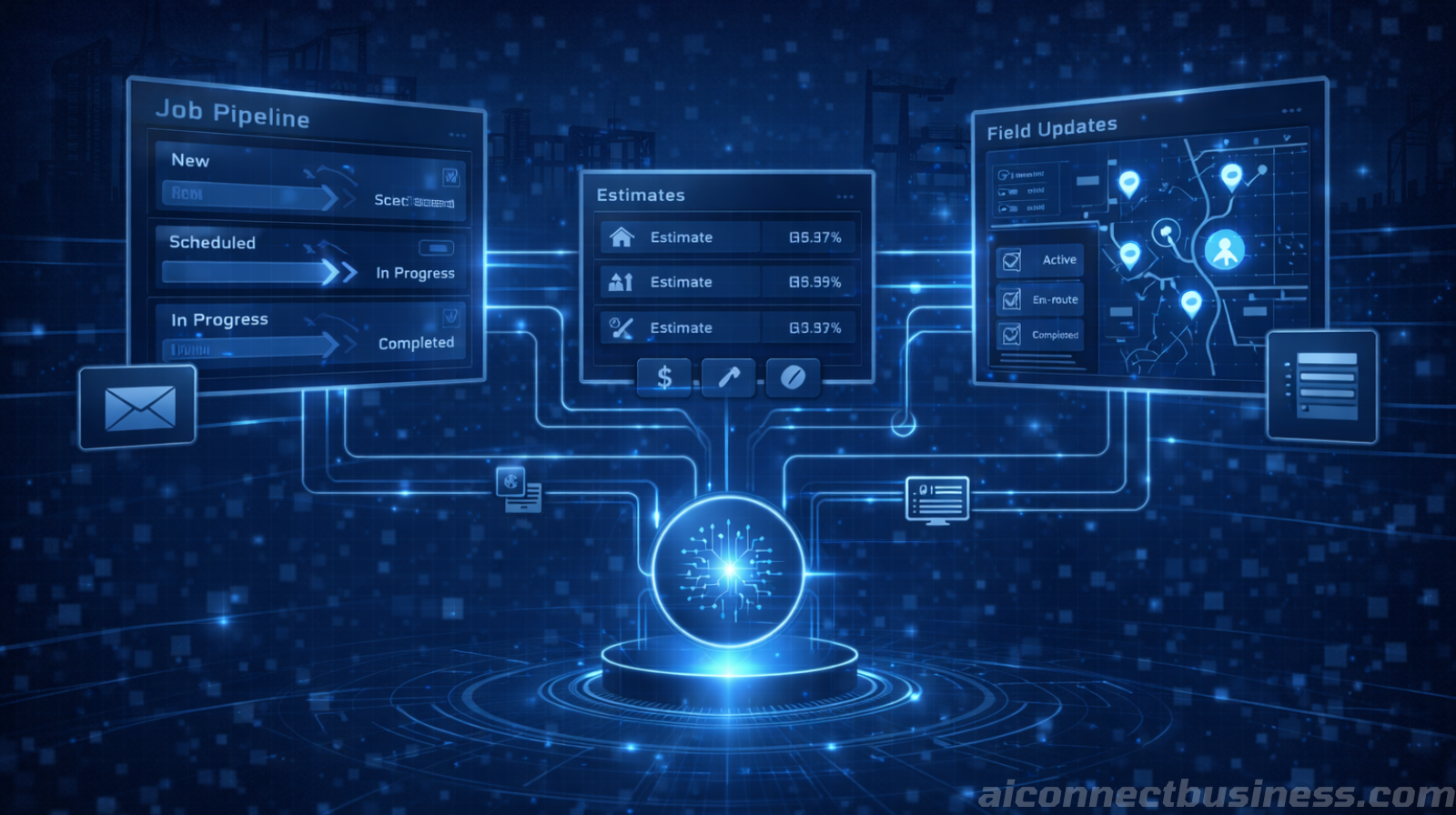
Automation for construction and trades businesses to organize leads, streamline estimating, and improve coordination.

Automation for home service businesses to capture every lead, streamline scheduling, and improve follow-up.
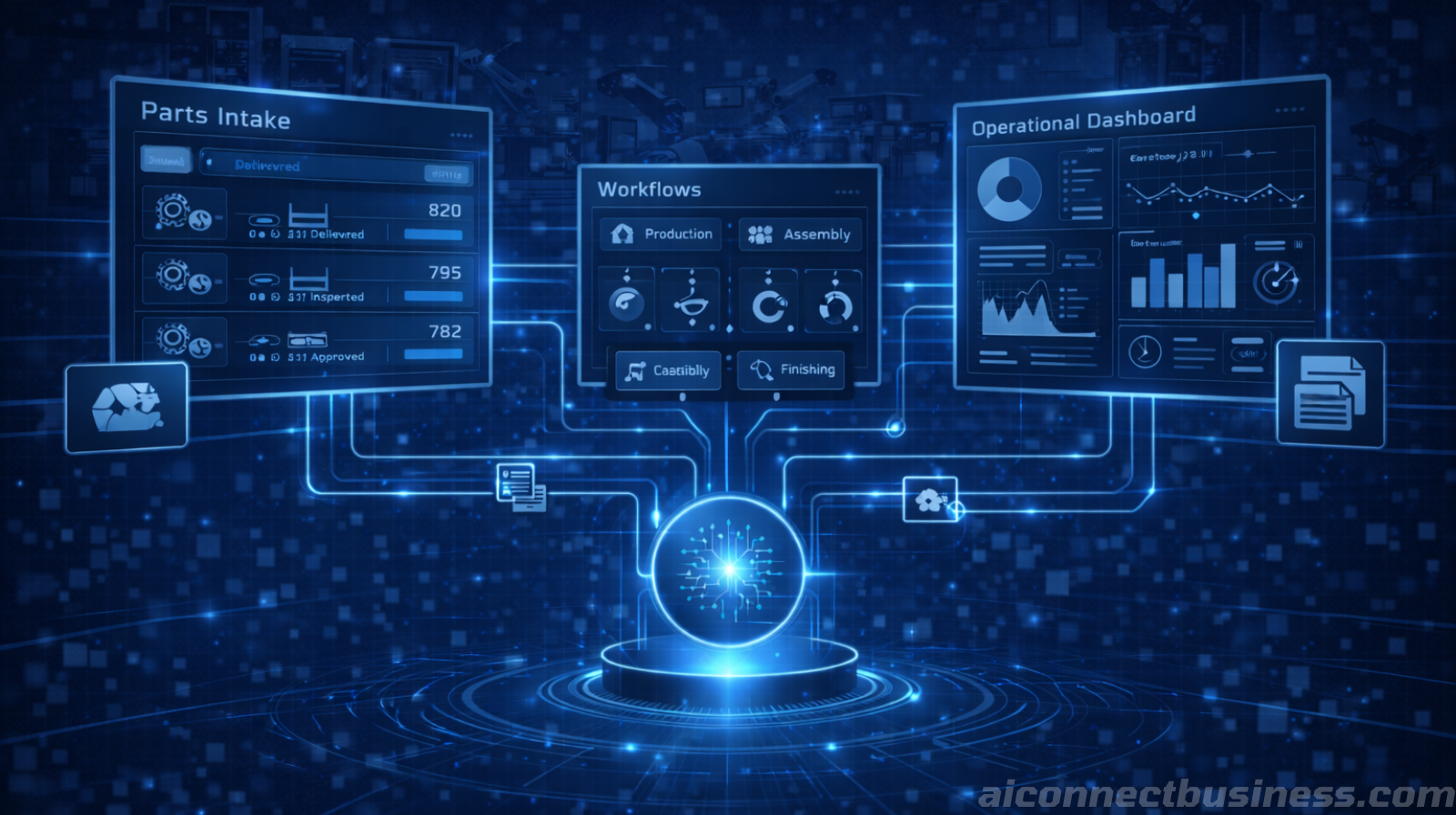
Automation for manufacturing and industrial businesses to organize data and improve operational visibility.
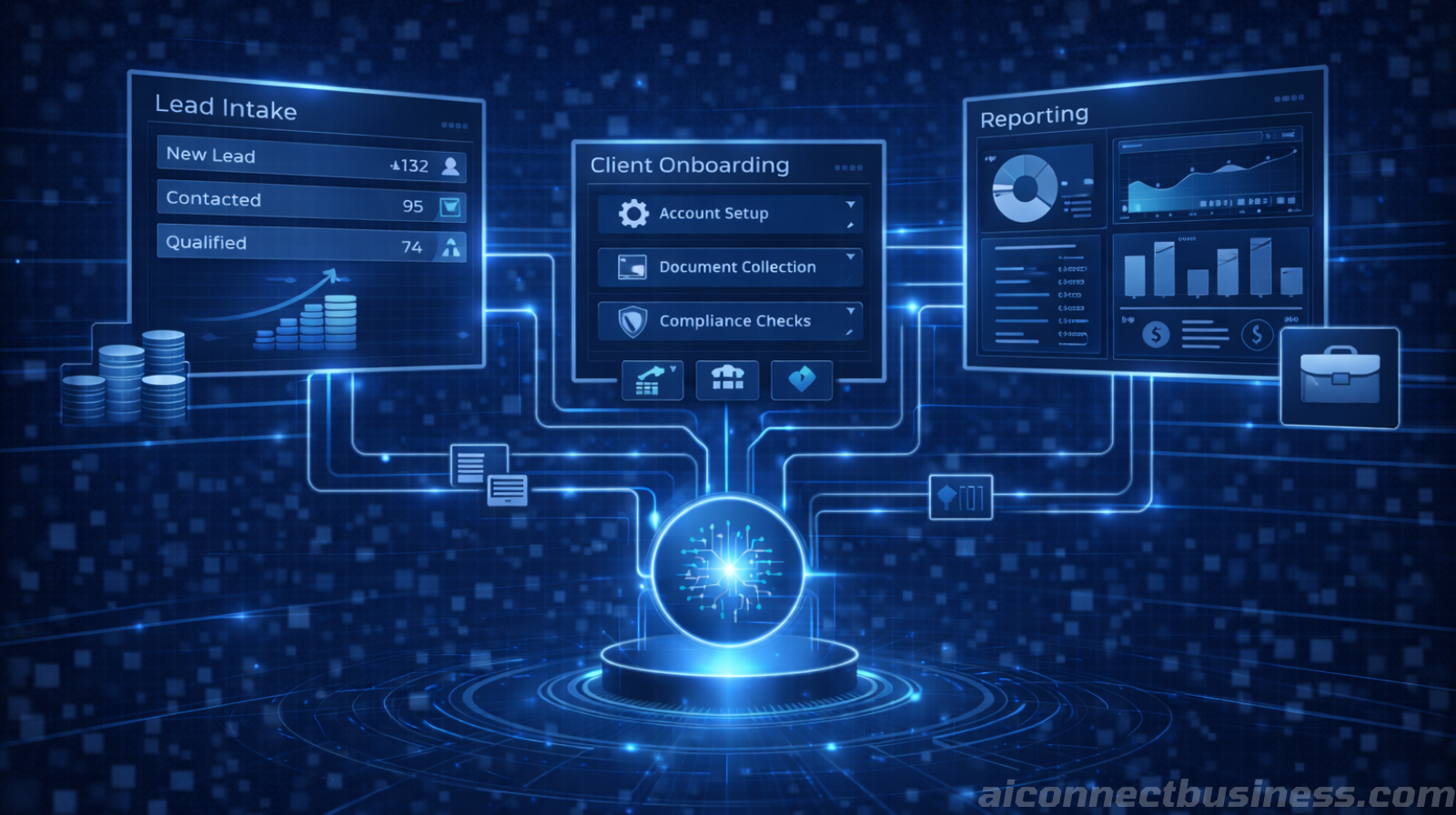
Automation for financial and insurance firms to improve lead handling and onboarding.

Discover why AI projects fail without proper team buy-in and learn practical strategies to overcome resistance, train effectively, and ensure successful adoption.
Discover why 70% of AI automation projects fail due to poor data quality and learn how to prepare your CRM, forms, and systems for successful automation.
Discover why AI automation requires ongoing optimization. Learn how monitoring, refining, and iterative improvements boost accuracy, speed, and ROI over time.
Address common AI security concerns for small businesses. Learn how to implement secure AI automation, RAG systems, and data protection without sacrificing efficiency.
Discover what legitimate done-for-you AI automation services should include and how to avoid costly shortcuts that hurt your business.
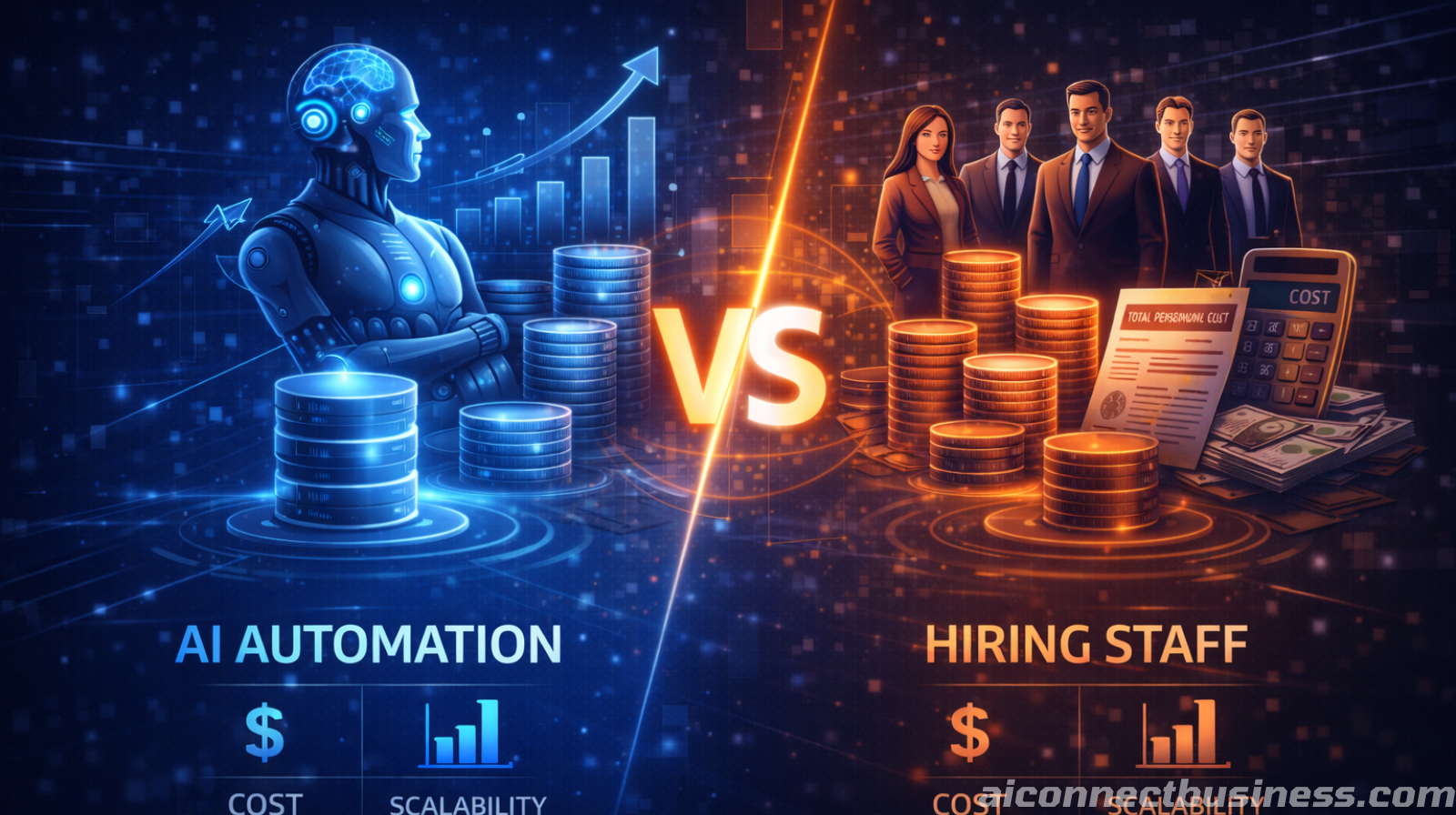
Discover the real costs and scalability benefits of AI automation compared to hiring additional staff for your growing business.
You don’t need a tech team to start automating. We help small businesses scale faster by leveraging AI. Save time, reduces errors, and keep leads from slipping through the cracks.
Book Your Free AI Audit