.svg)
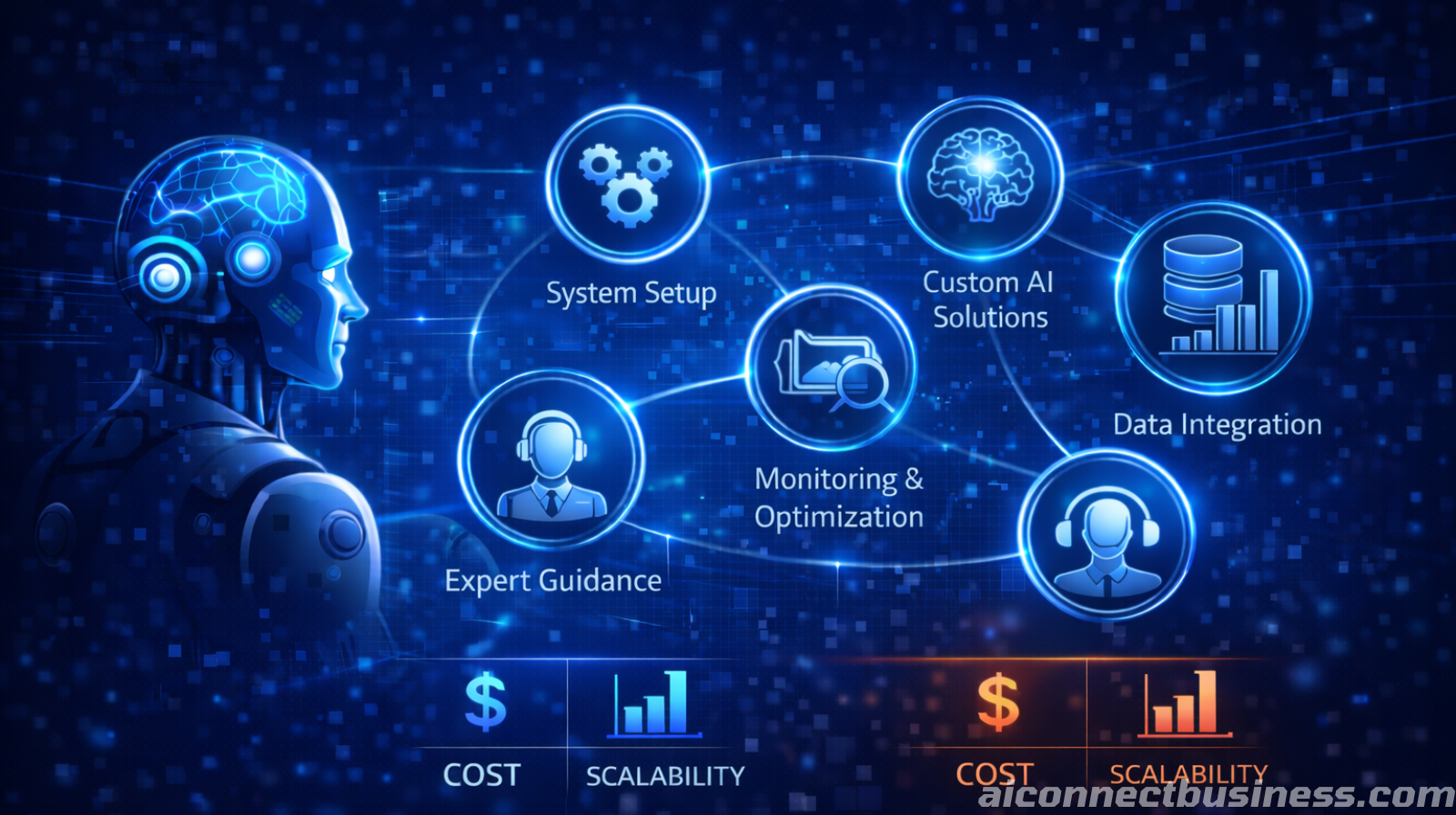
Discover what legitimate done-for-you AI automation services should include and how to avoid costly shortcuts that hurt your business.
Caed G.
December 19, 2025
You've decided to invest in AI automation for your business, and you're considering a "done-for-you" service. Smart choice—but not all done-for-you AI automation services are created equal.
Many business owners get burned by providers who promise comprehensive automation but deliver basic chatbots or half-configured systems that create more problems than they solve. The result? Frustrated customers, missed opportunities, and the false belief that AI automation doesn't work.
The truth is, legitimate done-for-you AI automation requires extensive planning, custom configuration, and ongoing optimization. In this guide, we'll break down exactly what a comprehensive done-for-you AI automation service should include, so you can make an informed decision and avoid costly shortcuts.

The AI automation market is flooded with providers promising instant results with minimal setup. These "plug-and-play" solutions might seem attractive, but they often leave businesses worse off than before.
Real Example from a Small Business: A dental practice paid $5,000 for a "done-for-you" AI phone system that used generic responses and couldn't handle appointment scheduling. Patients hung up frustrated, and the practice lost 30% of new patient calls in the first month.
Legitimate done-for-you AI automation starts with understanding your business inside and out. This isn't a 30-minute phone call—it's a comprehensive analysis.
How We Implement This for Clients: Our discovery phase typically takes 2-3 weeks and includes stakeholder interviews, system audits, and detailed process documentation. This foundation ensures the automation actually improves your business operations.
Once we understand your business, the real work begins: creating AI systems that sound like your team and handle your specific processes.
Real Example from a Small Business: An HVAC company's AI system was trained on 200+ common customer scenarios, from routine maintenance questions to emergency repair requests. The AI now handles 80% of calls without human intervention while maintaining the company's friendly, professional tone.
AI automation is only as good as its ability to work seamlessly with your existing business systems. This requires careful integration planning and execution.
Before your AI automation goes live, it needs extensive testing to ensure it performs flawlessly under real-world conditions.
Common Mistakes Small Teams Make: Skipping thorough testing to launch quickly. This often results in embarrassing customer interactions and lost business that takes months to recover from.
Even the best AI automation system will fail if your team doesn't know how to work with it effectively.
The Fastest Way to Get Started: Begin with a pilot program in one area of your business. This allows your team to learn the system gradually while minimizing disruption to operations.
The launch of your AI automation system is just the beginning. Proper monitoring and optimization are crucial for long-term success.
Legitimate done-for-you AI automation takes time to implement properly. Here's a realistic timeline for comprehensive setup:
Any provider promising full implementation in less than 6-8 weeks is likely cutting corners that will hurt your business later.
Done-for-you AI automation is a significant investment, but the costs should be transparent and justified by the comprehensive service provided.
Total Investment Range: $15,000-$30,000 for comprehensive done-for-you implementation
While this might seem expensive, consider that hiring just one additional employee costs $50,000-$70,000 annually, while AI automation provides 24/7 coverage and handles significantly more volume.
Not all done-for-you AI automation providers deliver what they promise. Watch out for these warning signs:
Choosing the right done-for-you AI automation provider is crucial for your business's success. The cheapest option is rarely the best value.
Consider these factors when evaluating providers:
Want to see how a comprehensive done-for-you AI automation implementation works? Our strategy call includes a detailed walkthrough of our process and timeline specific to your business needs.
Learn more about our proven implementation methodology and see how we've helped businesses across various industries achieve measurable results through comprehensive AI automation.

Done-for-you AI automation should be exactly that—completely handled for you, from initial strategy through ongoing optimization. If a provider isn't offering comprehensive discovery, custom configuration, thorough testing, team training, and ongoing support, they're not providing true done-for-you service.
The right implementation takes time, requires significant expertise, and involves substantial investment. But when done properly, it transforms your business operations, improves customer experience, and provides ROI that far exceeds the initial cost.
Don't settle for shortcuts that will hurt your business in the long run. Invest in comprehensive done-for-you AI automation that actually delivers on its promises.
Ready to explore what comprehensive AI automation could do for your business? Use our ROI Calculator to see the potential impact, or schedule a strategy call to discuss your specific needs with our team.
Your business deserves AI automation that actually works—not just another system that creates more problems than it solves.
Growth Automation is a system-level engagement designed to connect and orchestrate multiple automation lanes across your business. This service is built for companies that have moved beyond single-task automation and are ready to improve consistency, scalability, and performance across sales, operations, and internal workflows. We focus on how systems work together — connecting data, automations, and decision points — so your business runs as a coordinated system instead of disconnected tools. Automation evolves as your business grows, adapting to real-world operations rather than remaining static.
View Services →
Automation for professional service firms to improve lead follow-up, onboarding, and internal workflows.

Automation for home service businesses to capture every lead, streamline scheduling, and improve follow-up.
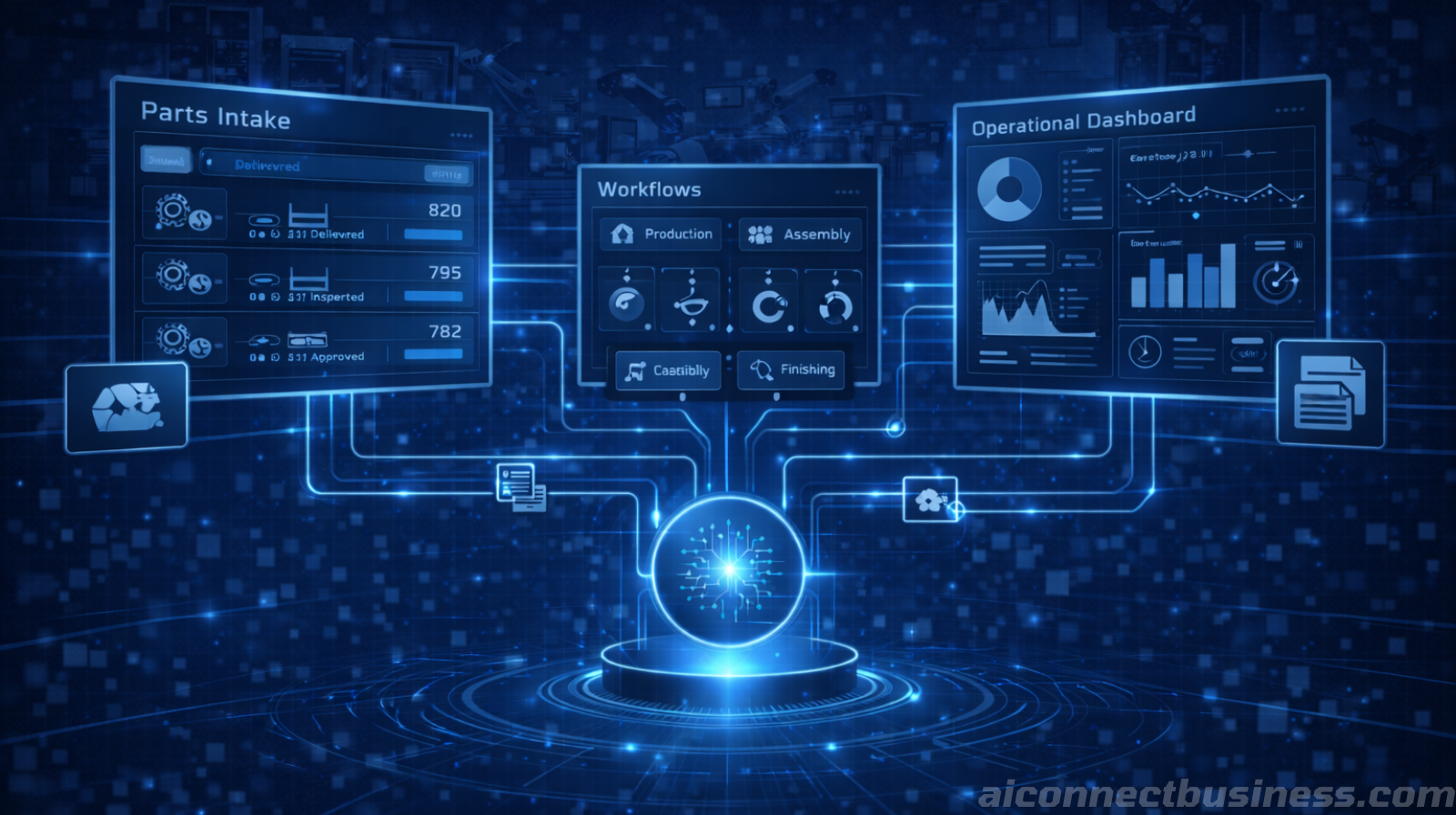
Automation for manufacturing and industrial businesses to organize data and improve operational visibility.
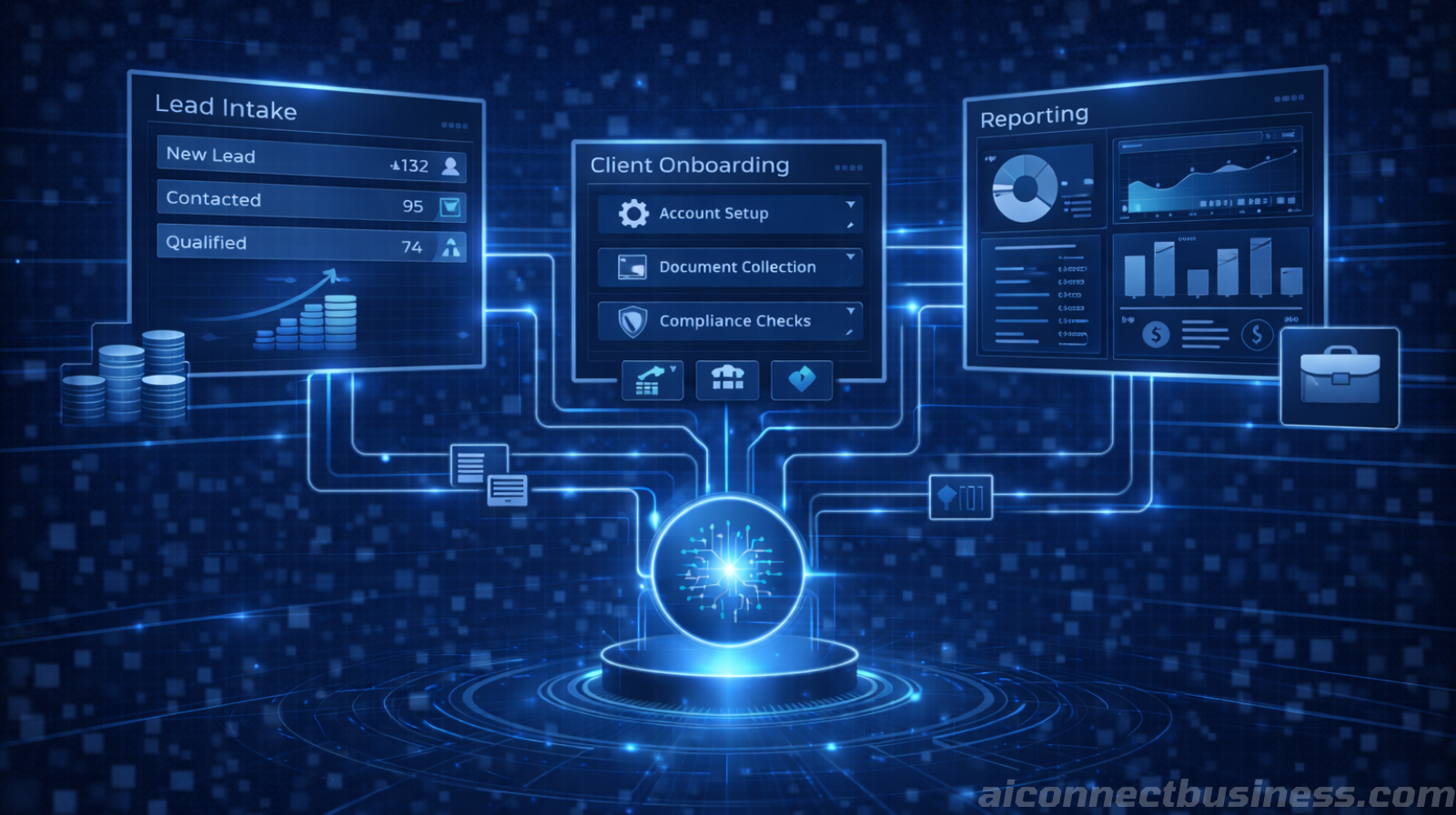
Automation for financial and insurance firms to improve lead handling and onboarding.

Discover why AI projects fail without proper team buy-in and learn practical strategies to overcome resistance, train effectively, and ensure successful adoption.
Discover why 70% of AI automation projects fail due to poor data quality and learn how to prepare your CRM, forms, and systems for successful automation.

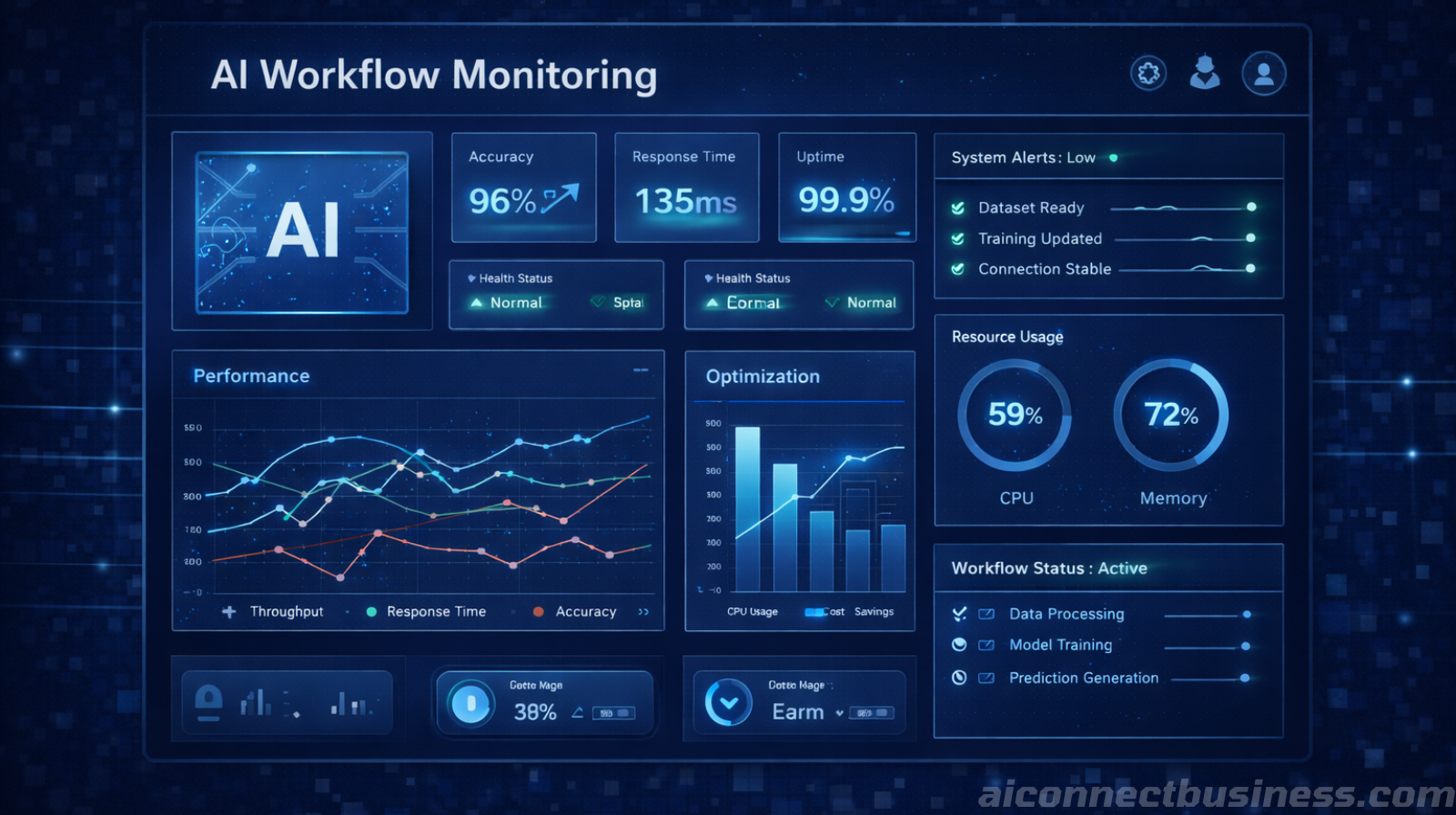
Discover why AI automation requires ongoing optimization. Learn how monitoring, refining, and iterative improvements boost accuracy, speed, and ROI over time.

Address common AI security concerns for small businesses. Learn how to implement secure AI automation, RAG systems, and data protection without sacrificing efficiency.
Discover what legitimate done-for-you AI automation services should include and how to avoid costly shortcuts that hurt your business.
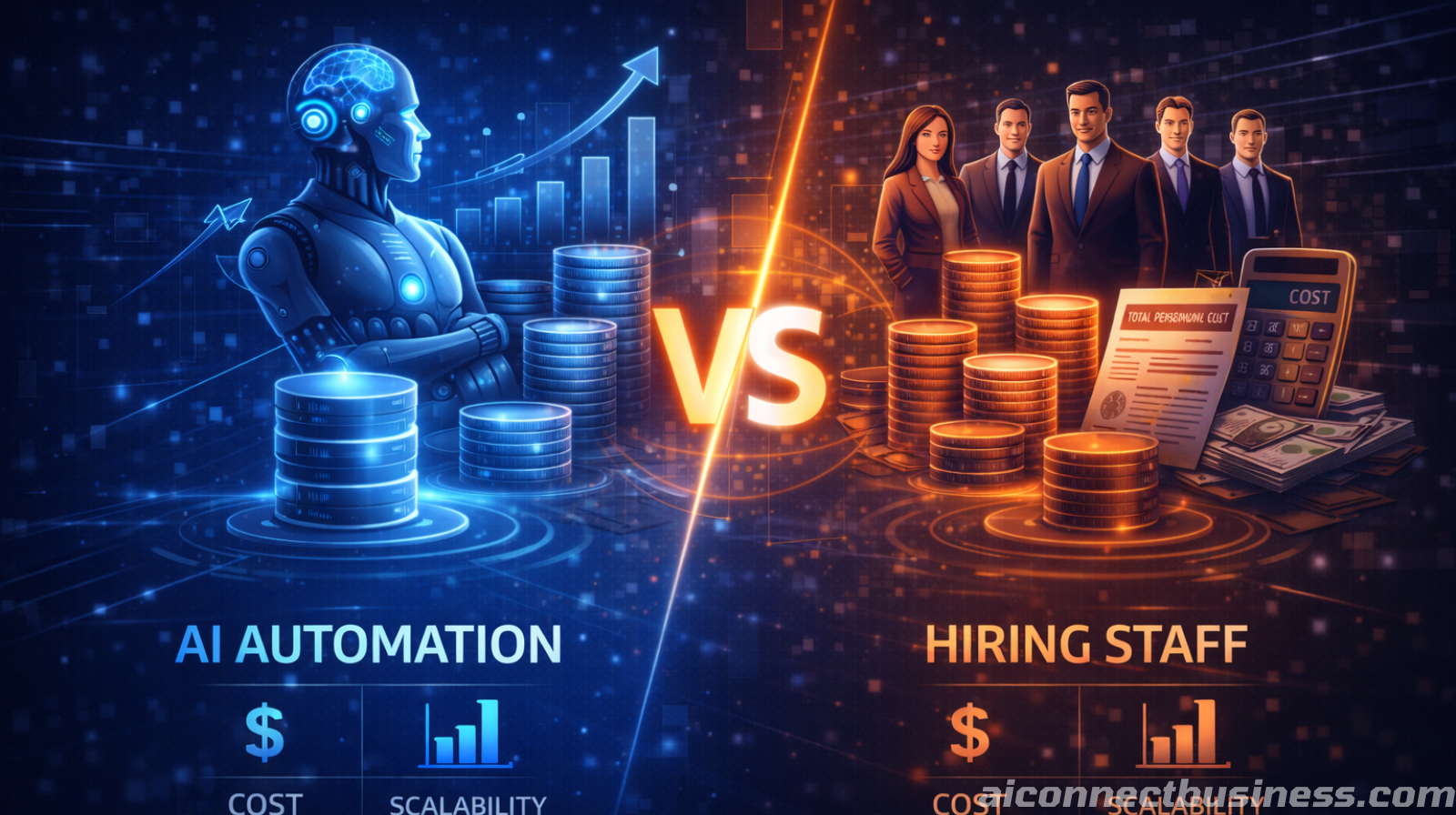
Discover the real costs and scalability benefits of AI automation compared to hiring additional staff for your growing business.
You don’t need a tech team to start automating. We help small businesses scale faster by leveraging AI. Save time, reduces errors, and keep leads from slipping through the cracks.
Book Your Free AI Audit