.svg)
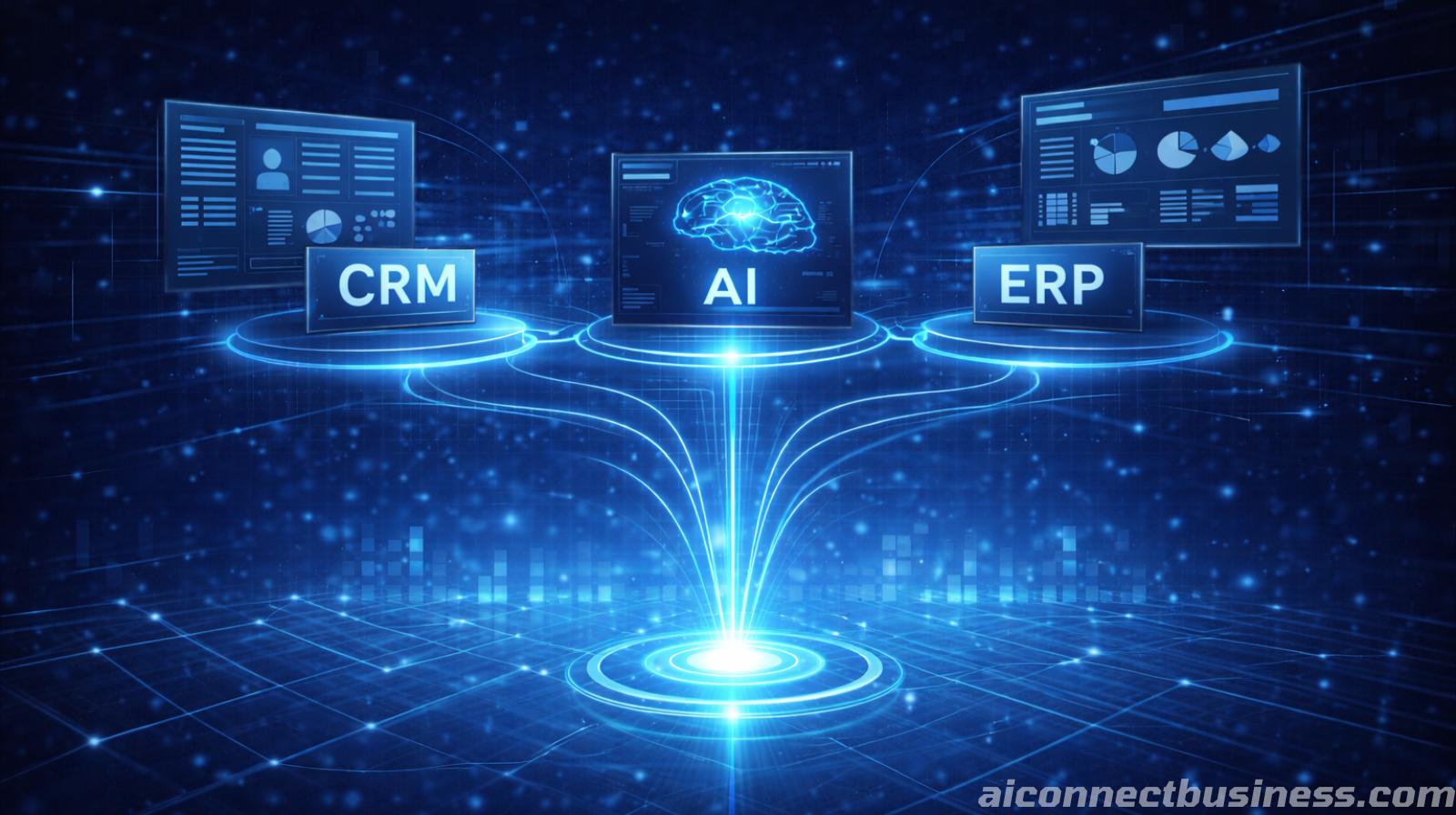
Learn why system integration is the real key to AI success and discover how to connect your existing tools for maximum automation impact.
Caed G.
December 19, 2025
Two weeks ago, a client called us frustrated after spending $15,000 on what they called "the perfect AI tool." The software had every feature they wanted, glowing reviews, and promised to revolutionize their customer service. Six months later, it was barely being used.
The problem wasn't the AI tool—it was brilliant. The problem was that it lived in isolation, disconnected from their CRM, email system, and project management tools. Every AI-generated insight required manual data entry into three other systems. What should have been automation became more work.
This scenario repeats constantly across businesses of all sizes. Companies obsess over finding the "perfect" AI tool while ignoring the foundation that makes any AI tool valuable: seamless system integration. The businesses succeeding with AI aren't necessarily using the most advanced tools—they're using well-connected ones.

Most businesses approach AI implementation backwards. They start by researching AI tools, comparing features, and debating which platform has the best algorithms. Meanwhile, they ignore the critical question: how will this AI tool work with everything else we already use?
The most sophisticated AI tool becomes worthless if it can't share data with your existing systems. Consider these common scenarios:
Each disconnection creates friction, manual work, and opportunities for errors. The "perfect" AI tool that doesn't integrate becomes an expensive island of automation in an ocean of manual processes.
When AI tools don't connect properly with existing systems, businesses face hidden costs that often exceed the tool's price:
Successful AI implementations create seamless data flows where information moves automatically between systems without human intervention. This creates compound value where each connected system amplifies the others.
In a well-integrated system, AI becomes part of a larger automation ecosystem:
Maria runs a 20-person marketing agency in Miami. Instead of choosing the "best" AI tool, she focused on integration first. Here's how her connected system works:
Lead Generation Flow:
Client Onboarding Flow:
Maria's AI tools aren't the most advanced available, but they're perfectly integrated. The result: 60% faster client onboarding and 40% less administrative work.
We've developed a proven approach to AI integration that prioritizes connections over individual tool capabilities. This framework ensures AI enhances your entire business ecosystem, not just isolated processes.
Before selecting any AI tool, we map your current technology ecosystem to understand how data flows and where integration opportunities exist.
We document all the tools and platforms your business currently uses:
We trace how information moves through your organization:
We identify where AI can enhance existing data flows:
With system understanding complete, we design an integration architecture that maximizes AI value while minimizing disruption.
We plan how AI tools will connect with existing systems:
We create automated workflows that span multiple systems:
Only after understanding integration requirements do we select specific AI tools. This ensures every chosen tool fits perfectly into your ecosystem.
We evaluate AI tools based on connection capabilities, not just features:
We ensure chosen AI tools work well with your existing technology:
Our integration-first approach follows a systematic implementation process that ensures AI tools enhance your entire business ecosystem from day one.
We start by understanding your current systems and integration needs:
We prepare your systems for AI integration:
We connect AI tools to your existing ecosystem:
We ensure everything works seamlessly together:
After implementing hundreds of AI integrations, we've encountered and solved every common challenge businesses face when connecting AI tools to existing systems.
Challenge: Older systems that don't have modern APIs or integration capabilities.
Solution: We use middleware platforms and custom connectors to bridge the gap between legacy systems and modern AI tools. Sometimes this involves data export/import automation or screen scraping techniques.
Challenge: Different systems store the same information in incompatible formats.
Solution: We implement data transformation layers that automatically convert information between formats, ensuring seamless data flow regardless of system differences.
Challenge: Keeping data consistent across multiple systems in real-time.
Solution: We use webhook-based integrations and event-driven architectures that update all connected systems instantly when changes occur.
Challenge: Maintaining data security while enabling system connections.
Solution: We implement secure integration patterns using encrypted connections, proper authentication, and access controls that meet industry compliance requirements.
When AI tools integrate seamlessly with existing systems, businesses see compound benefits that far exceed the sum of individual tool capabilities.
Well-integrated AI systems deliver measurable efficiency improvements:
Integration creates strategic advantages beyond operational efficiency:
For a typical 25-person service business, good AI integration often delivers:
Don't wait for the perfect AI tool to begin improving your system integration. Start with our proven approach for identifying and addressing your most critical integration needs.
Document your current technology ecosystem:
Identify your biggest integration wins:
Implement simple integrations that deliver immediate value:
Plan how AI tools will enhance your integrated ecosystem:
Different industries have unique integration challenges and opportunities that affect AI implementation success.
Focus on connecting client management, project tracking, and billing systems. AI can enhance client communication, project planning, and resource allocation when properly integrated with existing workflows.
Prioritize patient management, scheduling, and billing system integration. AI tools must comply with HIPAA requirements while connecting to electronic health records and practice management systems.
Emphasize supply chain, inventory, and quality control system connections. AI can optimize production planning and logistics when integrated with ERP and warehouse management systems.
Connect customer data, inventory, and marketing systems. AI can personalize customer experiences and optimize operations when integrated with e-commerce platforms and customer databases.
We specialize in creating seamlessly integrated AI ecosystems that enhance your entire business, not just isolated processes. Our integration-first approach ensures every AI tool we implement amplifies the value of your existing systems.
Ready to build an integrated AI ecosystem that actually works? Schedule a free strategy call to discuss your current systems and discover how proper integration can multiply your AI investment returns.
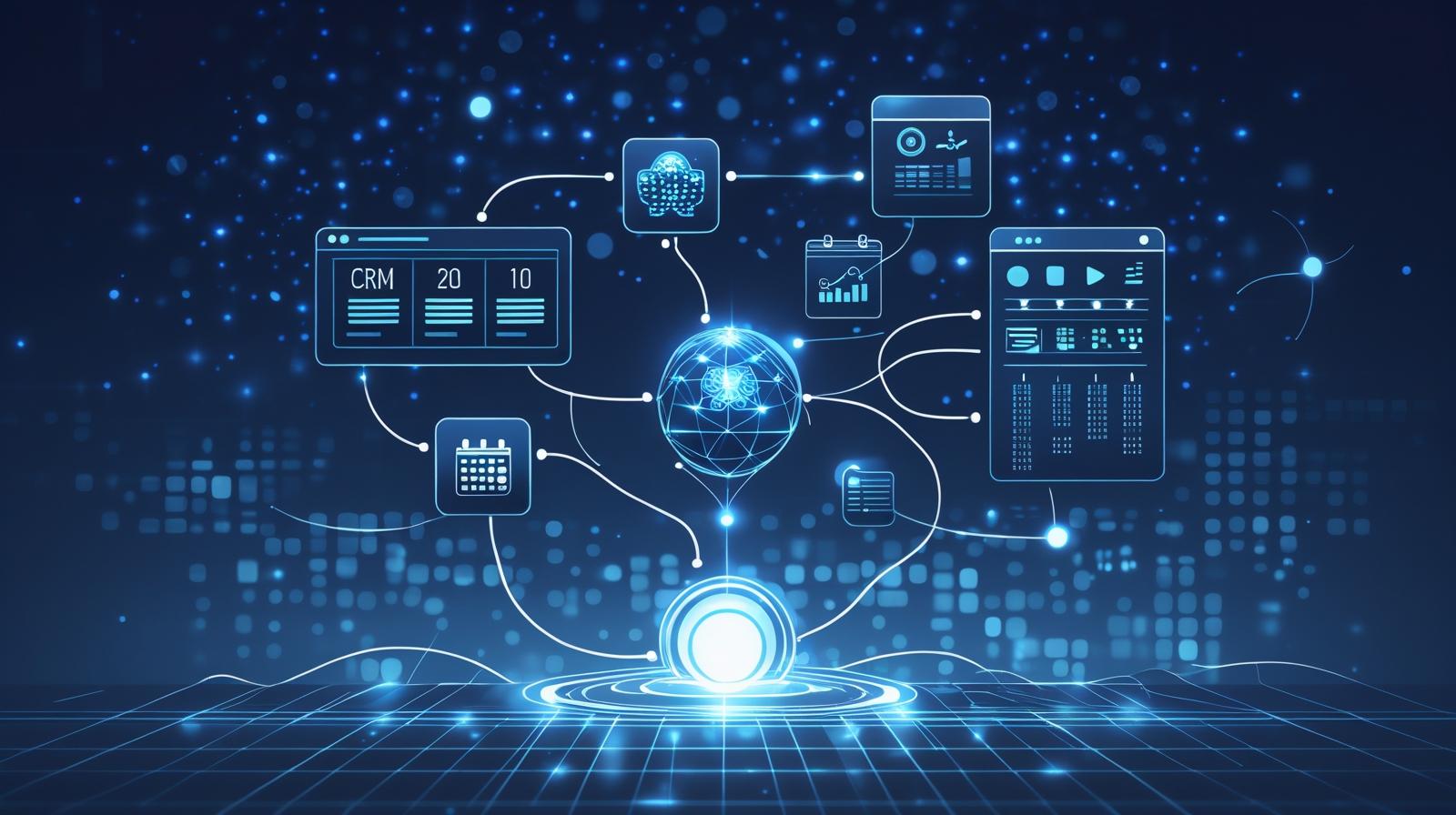
The most successful AI implementations aren't built around the most advanced tools—they're built around the best-connected ones. When AI tools integrate seamlessly with your existing systems, they become force multipliers that enhance every aspect of your business.
Stop searching for the perfect AI tool and start building the perfect AI ecosystem. Focus on integration first, tool selection second, and watch as your entire business becomes more intelligent, efficient, and competitive.
The businesses winning with AI in 2024 understand this fundamental truth: connection creates more value than capability. Make integration your priority, and every AI tool you choose will deliver exponentially better results.
Explore our AI integration services to learn how we help businesses create connected AI ecosystems that deliver compound value across every system and process.
Growth Automation is a system-level engagement designed to connect and orchestrate multiple automation lanes across your business. This service is built for companies that have moved beyond single-task automation and are ready to improve consistency, scalability, and performance across sales, operations, and internal workflows. We focus on how systems work together — connecting data, automations, and decision points — so your business runs as a coordinated system instead of disconnected tools. Automation evolves as your business grows, adapting to real-world operations rather than remaining static.
View Services →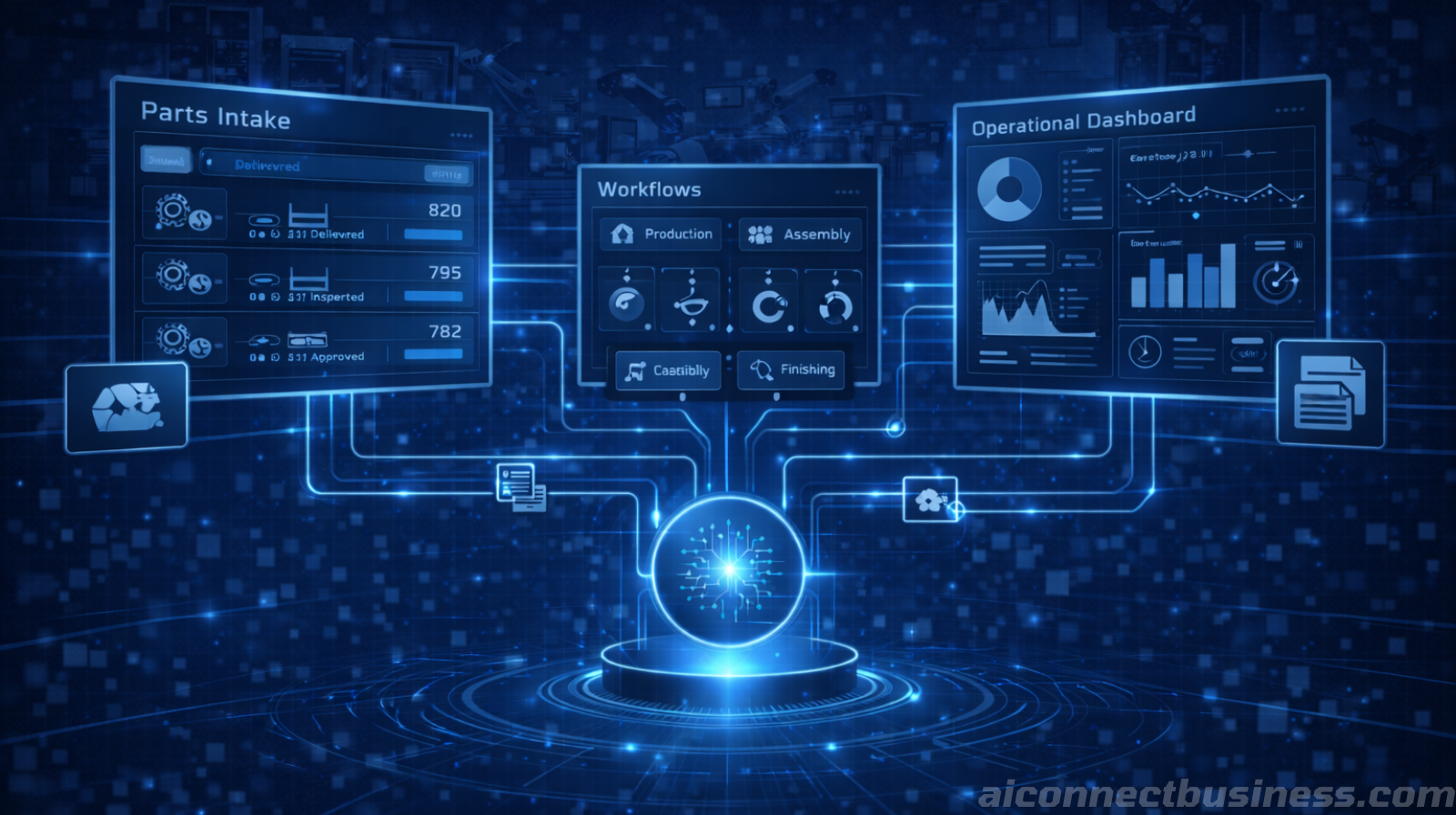
Automation for manufacturing and industrial businesses to organize data and improve operational visibility.
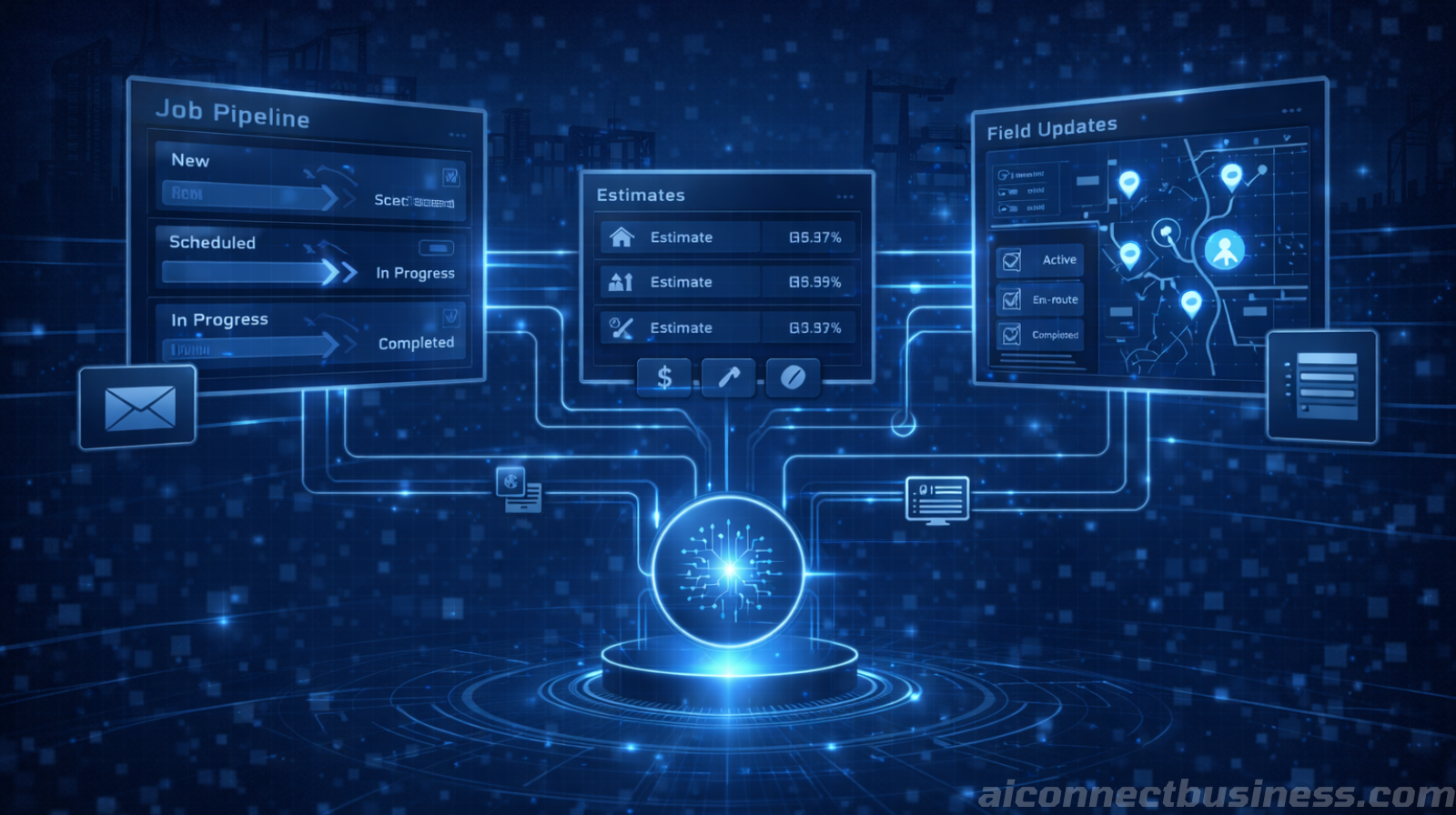
Automation for construction and trades businesses to organize leads, streamline estimating, and improve coordination.

Automation for professional service firms to improve lead follow-up, onboarding, and internal workflows.
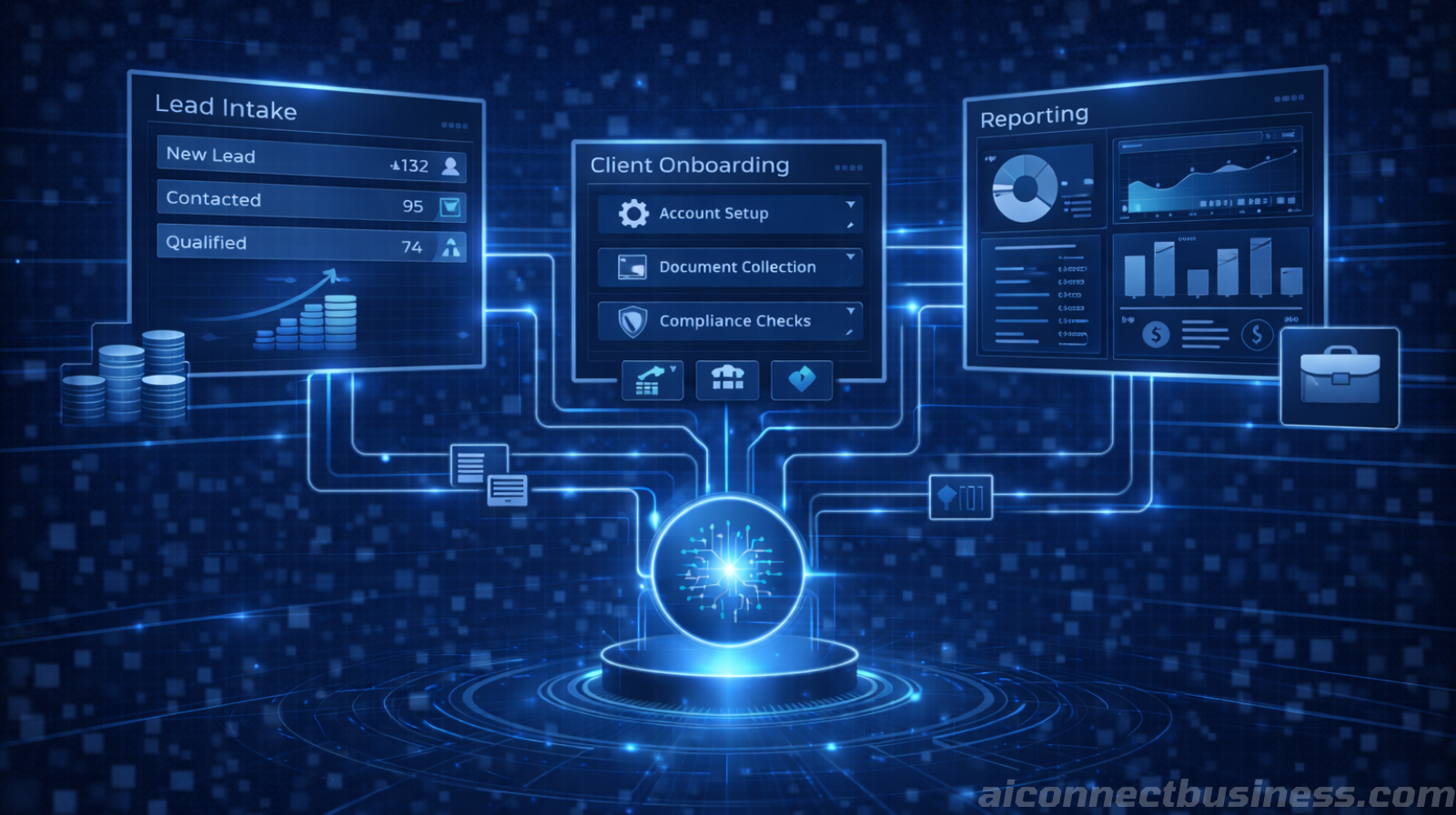
Automation for financial and insurance firms to improve lead handling and onboarding.
Discover why AI projects fail without proper team buy-in and learn practical strategies to overcome resistance, train effectively, and ensure successful adoption.
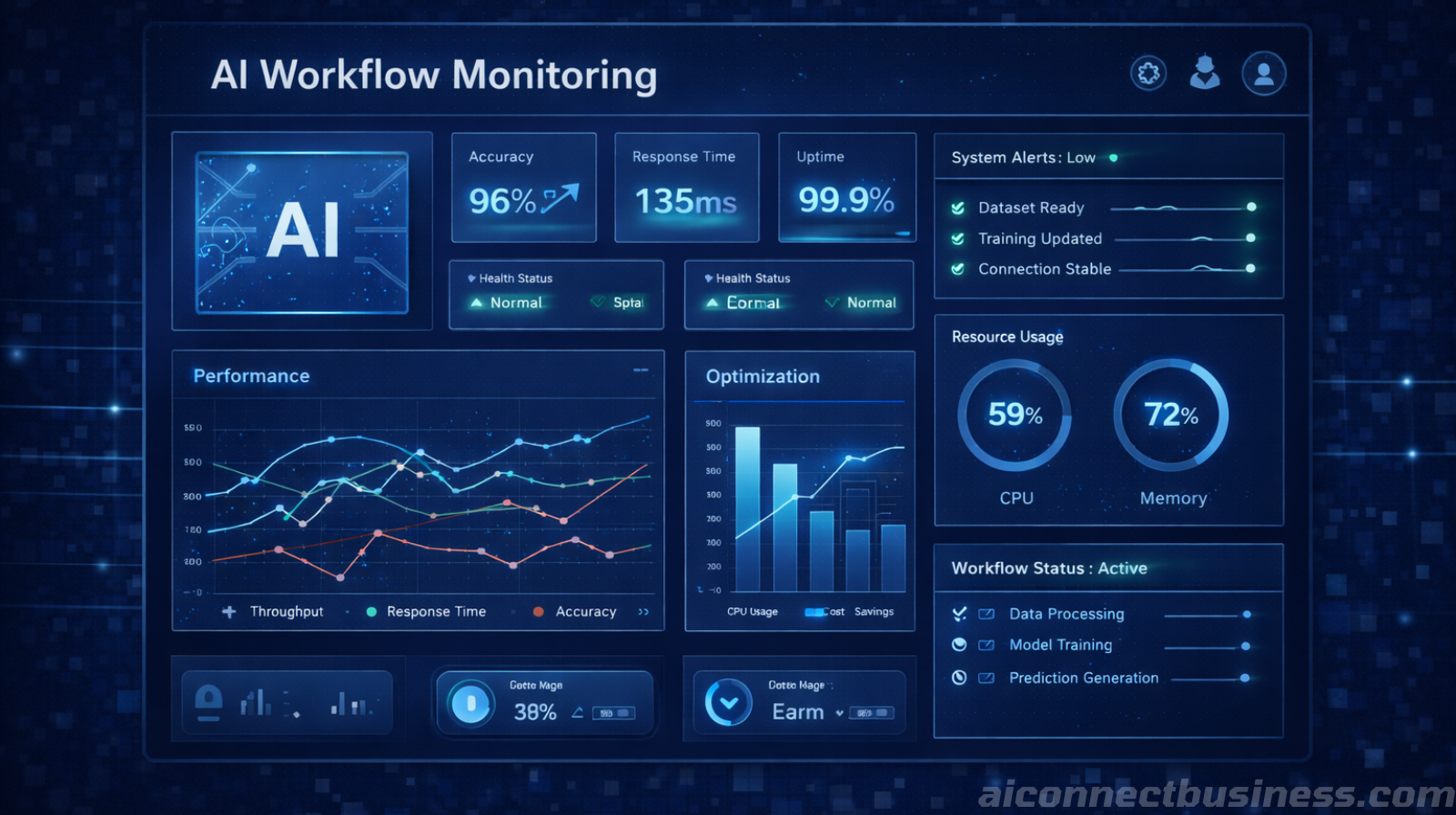
Discover why 70% of AI automation projects fail due to poor data quality and learn how to prepare your CRM, forms, and systems for successful automation.
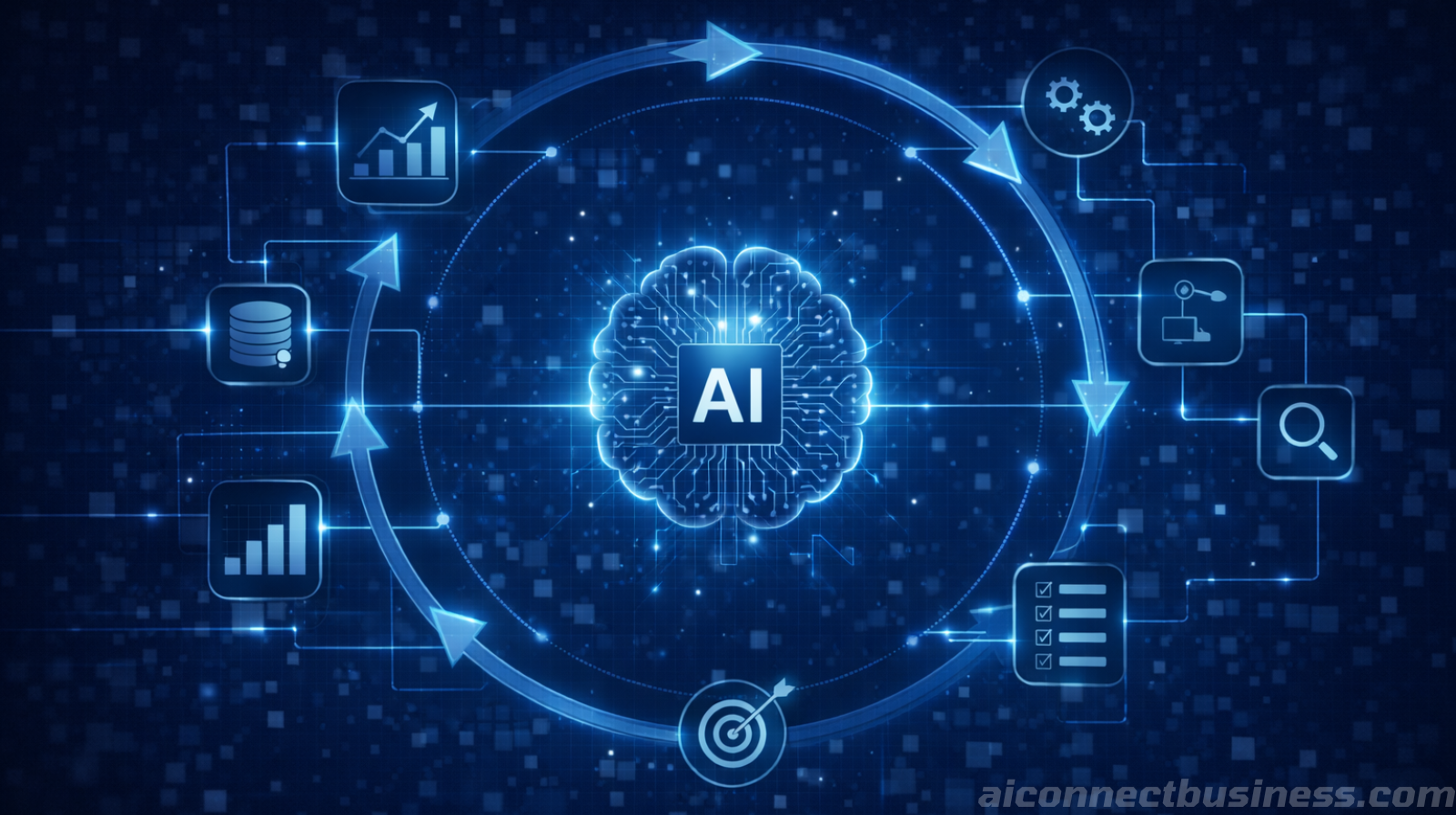
Discover why AI automation requires ongoing optimization. Learn how monitoring, refining, and iterative improvements boost accuracy, speed, and ROI over time.
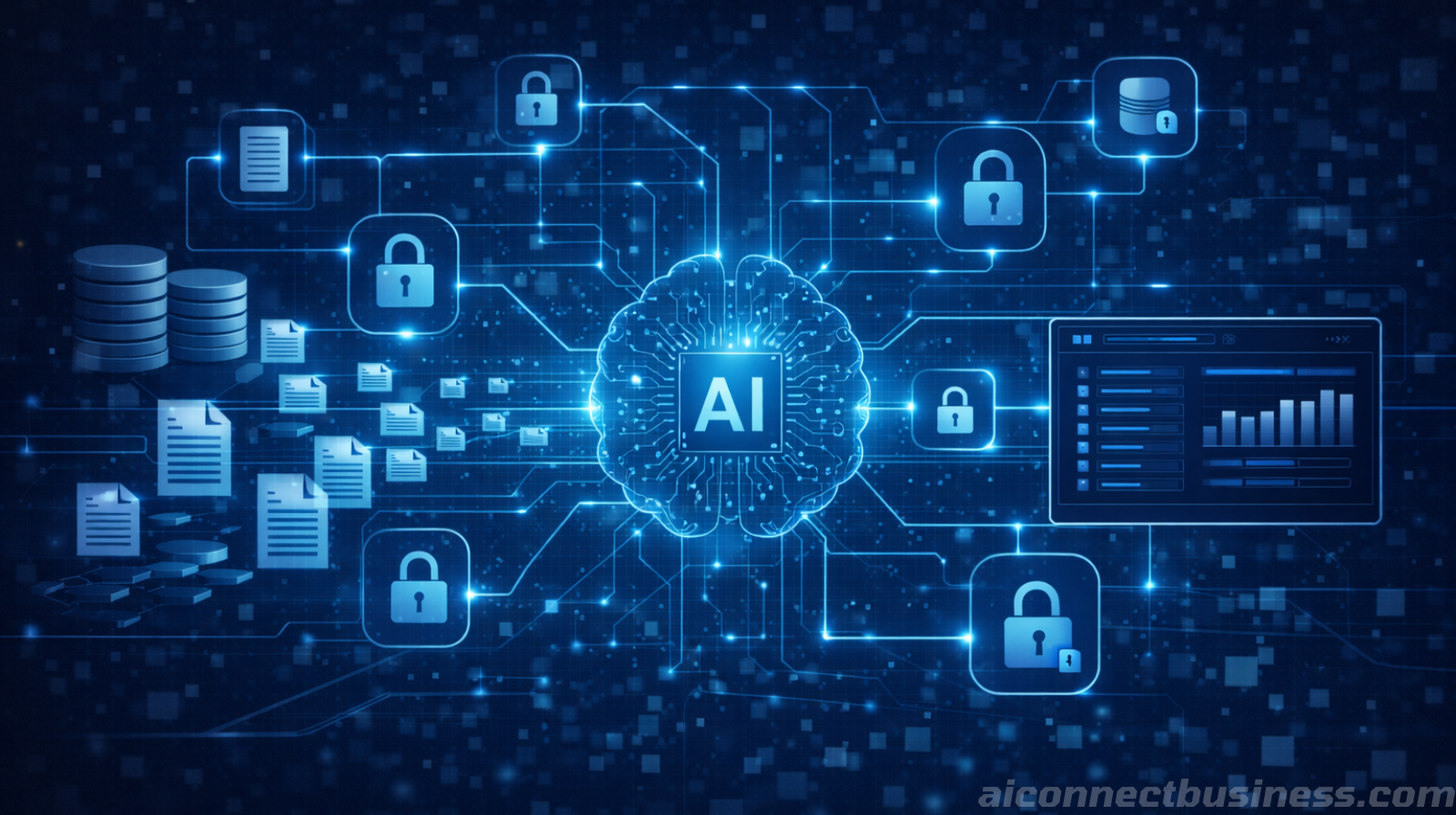
Address common AI security concerns for small businesses. Learn how to implement secure AI automation, RAG systems, and data protection without sacrificing efficiency.
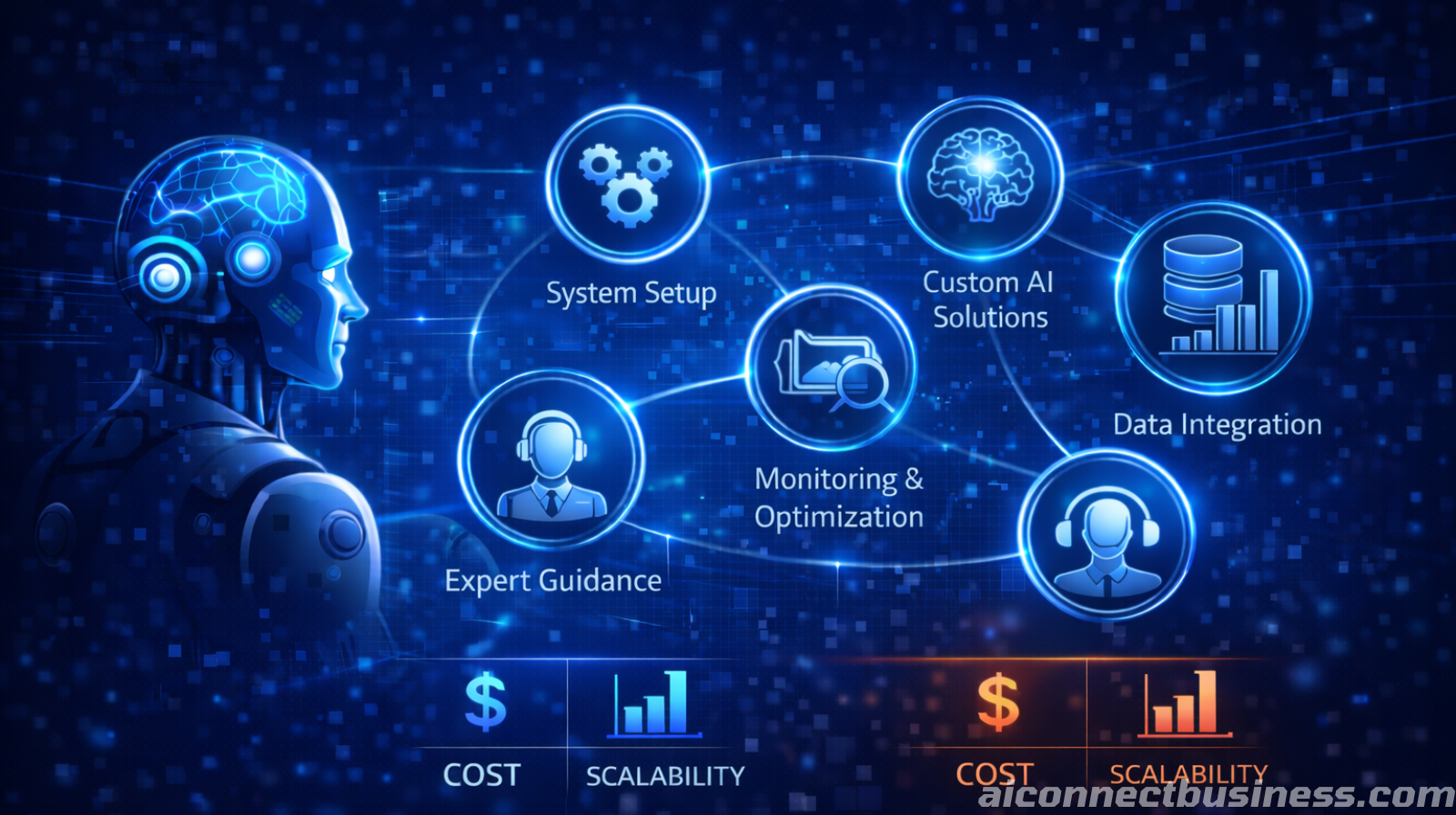
Discover what legitimate done-for-you AI automation services should include and how to avoid costly shortcuts that hurt your business.
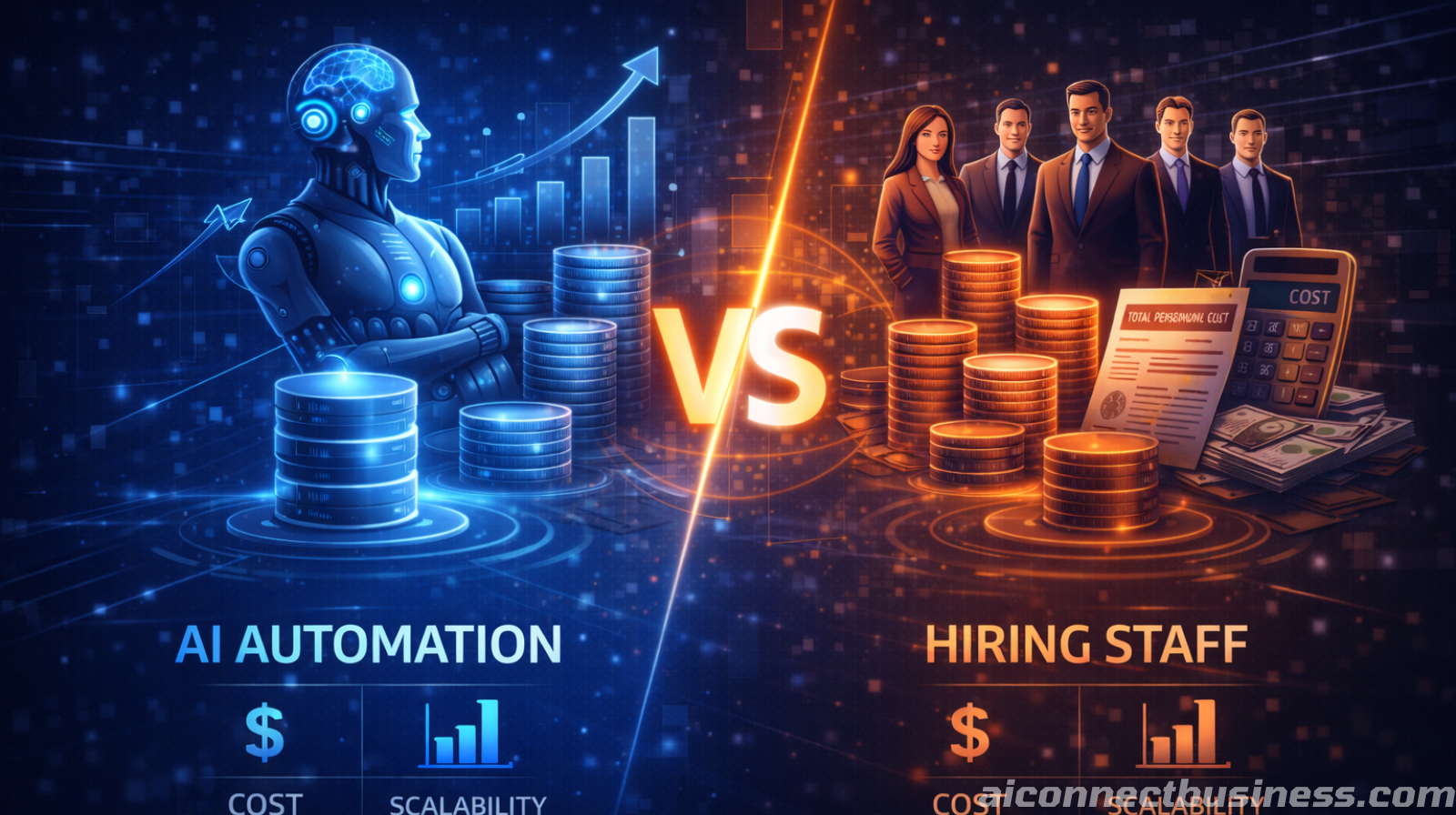
Discover the real costs and scalability benefits of AI automation compared to hiring additional staff for your growing business.
You don’t need a tech team to start automating. We help small businesses scale faster by leveraging AI. Save time, reduces errors, and keep leads from slipping through the cracks.
Book Your Free AI Audit