.svg)
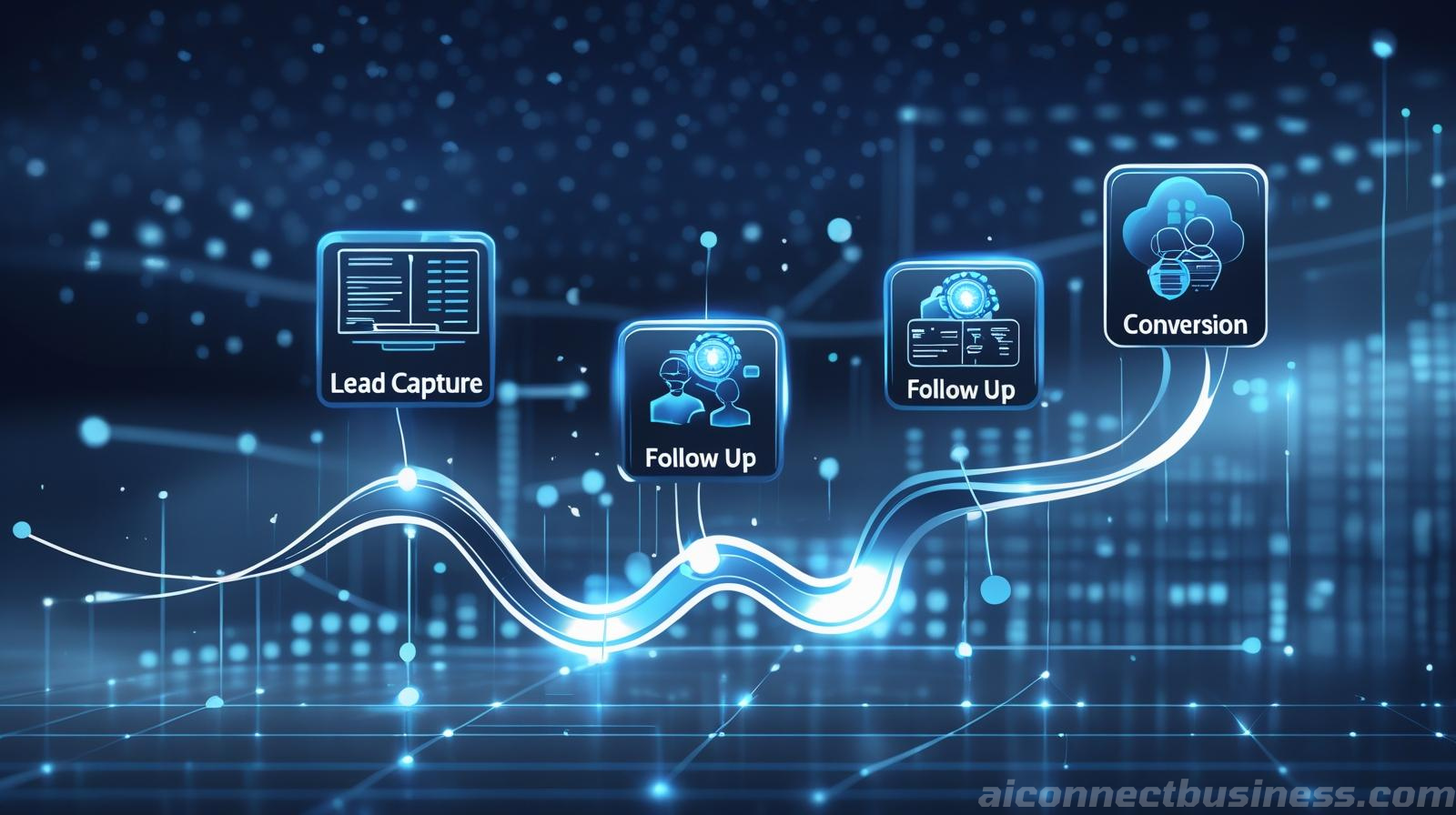
Learn how to build a complete automated revenue pipeline that captures leads, nurtures prospects, and converts them into customers without manual intervention.
Caed G.
December 19, 2025
A client recently showed us their "sales process"—a chaotic mix of sticky notes, spreadsheets, and good intentions. They were capturing leads from multiple sources but losing 60% of them in the handoff between marketing and sales. Follow-up was inconsistent, timing was random, and their best prospects were slipping through the cracks.
Sound familiar? Most small businesses treat their revenue pipeline like a leaky bucket, pouring leads in the top while watching potential customers drain out the bottom. They focus on generating more leads instead of fixing the fundamental problem: their manual processes can't keep up with the speed of modern business.
The solution isn't more leads—it's an automated revenue pipeline that captures, nurtures, and converts prospects systematically. When done right, automation doesn't just save time; it dramatically improves conversion rates by ensuring every lead gets the right message at the right time.

Before diving into automation, it's essential to understand what a complete revenue pipeline looks like. Most businesses only automate pieces of their sales process, creating gaps where leads get lost or delayed.
A complete automated revenue pipeline consists of five interconnected stages:
Manual revenue pipelines break down for predictable reasons:
The foundation of any revenue pipeline is consistent, high-quality lead capture. Automation ensures no prospect falls through the cracks from the moment they express interest.
Modern prospects interact with businesses across multiple touchpoints. Your automated system must capture leads regardless of where they originate:
Tom runs a 15-person HVAC company in Phoenix. Before automation, his team was missing 40% of website inquiries because they came in after hours or during busy periods. Here's how his automated lead capture system works:
24/7 Lead Capture:
Immediate Response System:
Result: 95% lead capture rate and 300% faster response times.
Not all leads are created equal. Automated qualification ensures your team focuses on prospects most likely to convert while nurturing others until they're ready.
Lead scoring assigns numerical values based on prospect characteristics and behaviors:
Automated qualification goes beyond static scoring to create dynamic workflows:
Most prospects aren't ready to buy immediately. Automated nurturing keeps your business top-of-mind while providing value until they're ready to purchase.
Different prospects need different nurturing approaches based on their characteristics and stage in the buying process:
Automated sequences that respond to specific prospect actions:
When prospects are ready to buy, automation ensures they have a smooth path to purchase while alerting your sales team at the optimal moment.
Automated systems identify when prospects are ready for sales engagement:
Ensure qualified leads reach the right salesperson at the right time:
Streamline the sales process with automated document generation:
Our revenue pipeline automation follows a systematic approach that ensures every component works together seamlessly.
We start by understanding your current revenue process and designing the optimal automated flow:
We build the technical foundation for your automated pipeline:
We develop the content and workflows that power your automation:
We ensure everything works perfectly before going live:
Automated revenue pipelines generate detailed data that enables continuous optimization and improvement.
Track these metrics to measure pipeline effectiveness:
After implementing hundreds of automated pipelines, we've identified the most common mistakes that reduce effectiveness.
Automating every interaction removes the human touch that builds relationships. The key is balancing efficiency with personalization.
One-size-fits-all content doesn't resonate with diverse prospects. Segmentation and personalization are essential for engagement.
Focusing only on lead quantity without qualification leads to wasted effort on unqualified prospects.
Sending messages at the wrong time or frequency can damage relationships and reduce conversion rates.
Not testing different approaches means missing opportunities to improve performance and conversion rates.
When implemented correctly, automated revenue pipelines deliver transformational results for businesses of all sizes.
Our clients typically see these improvements within 90 days:
Don't try to automate your entire pipeline at once. Start with our proven approach for building automation that delivers immediate results.
Assess your current lead generation and capture processes:
Implement simple automation that delivers immediate value:
Improve your manual processes before adding more automation:
Plan your comprehensive automated pipeline:
We specialize in building complete automated revenue pipelines that capture more leads, nurture them effectively, and convert them into customers. Our systematic approach ensures your pipeline delivers results from day one.
Ready to build an automated revenue pipeline that actually works? Schedule a free strategy call to discuss your current sales process and discover how automation can multiply your conversion rates.

The most successful businesses don't just generate more leads—they convert more of the leads they already have. An automated revenue pipeline ensures every prospect gets the right attention at the right time, dramatically improving conversion rates while reducing manual effort.
Stop losing prospects to manual processes and inconsistent follow-up. Build an automated pipeline that captures, nurtures, and converts leads systematically, and watch your revenue grow predictably.
The businesses winning in 2024 understand this truth: automation doesn't replace relationships—it enables them at scale. Start building your automated revenue pipeline today, and turn your leaky bucket into a revenue-generating machine.
Explore our revenue pipeline automation services to learn how we help businesses create systematic, scalable processes that turn more prospects into customers.
Growth Automation is a system-level engagement designed to connect and orchestrate multiple automation lanes across your business. This service is built for companies that have moved beyond single-task automation and are ready to improve consistency, scalability, and performance across sales, operations, and internal workflows. We focus on how systems work together — connecting data, automations, and decision points — so your business runs as a coordinated system instead of disconnected tools. Automation evolves as your business grows, adapting to real-world operations rather than remaining static.
View Services →
Automation for home service businesses to capture every lead, streamline scheduling, and improve follow-up.

Automation for professional service firms to improve lead follow-up, onboarding, and internal workflows.
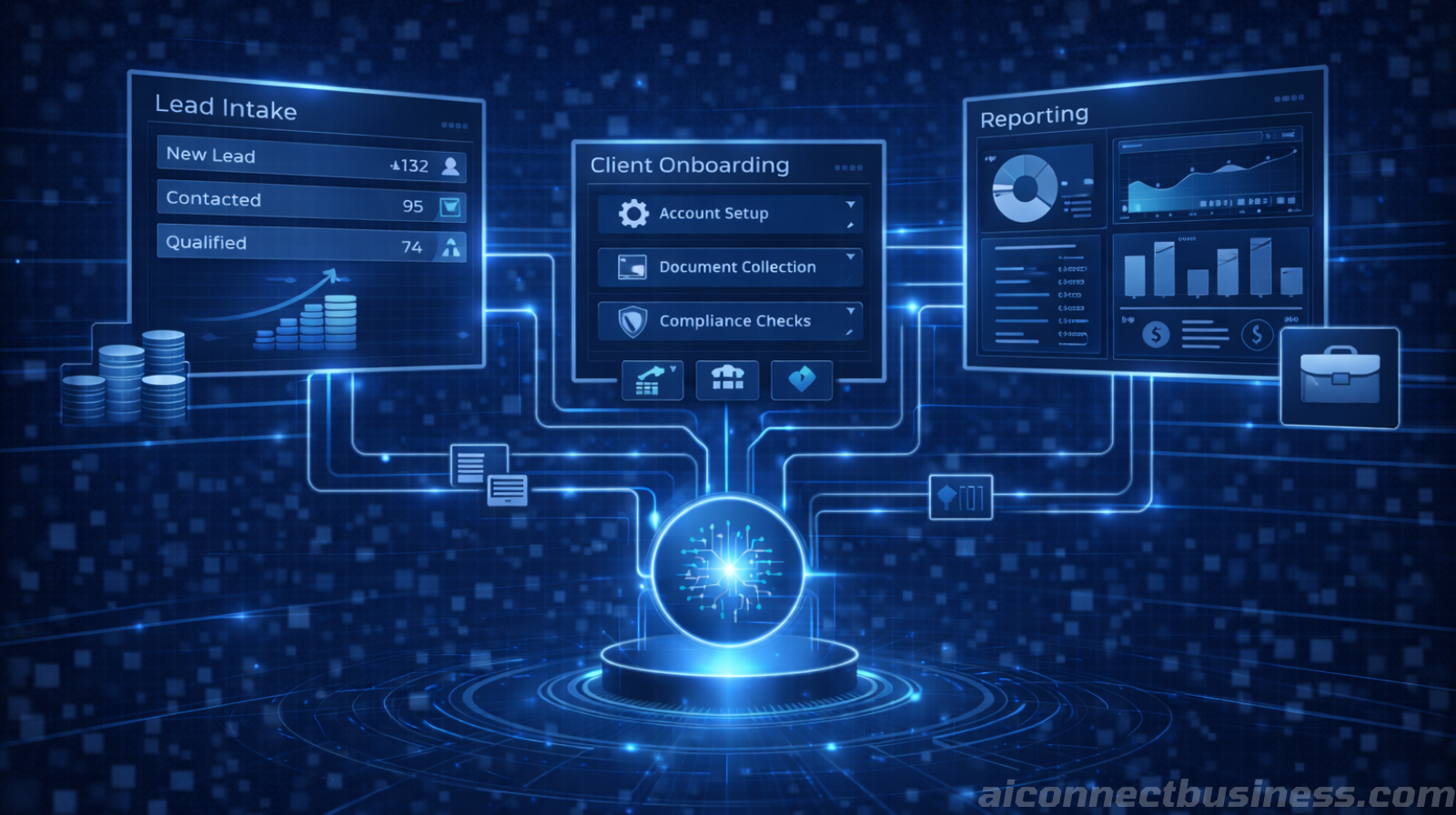
Automation for financial and insurance firms to improve lead handling and onboarding.

Discover why AI projects fail without proper team buy-in and learn practical strategies to overcome resistance, train effectively, and ensure successful adoption.
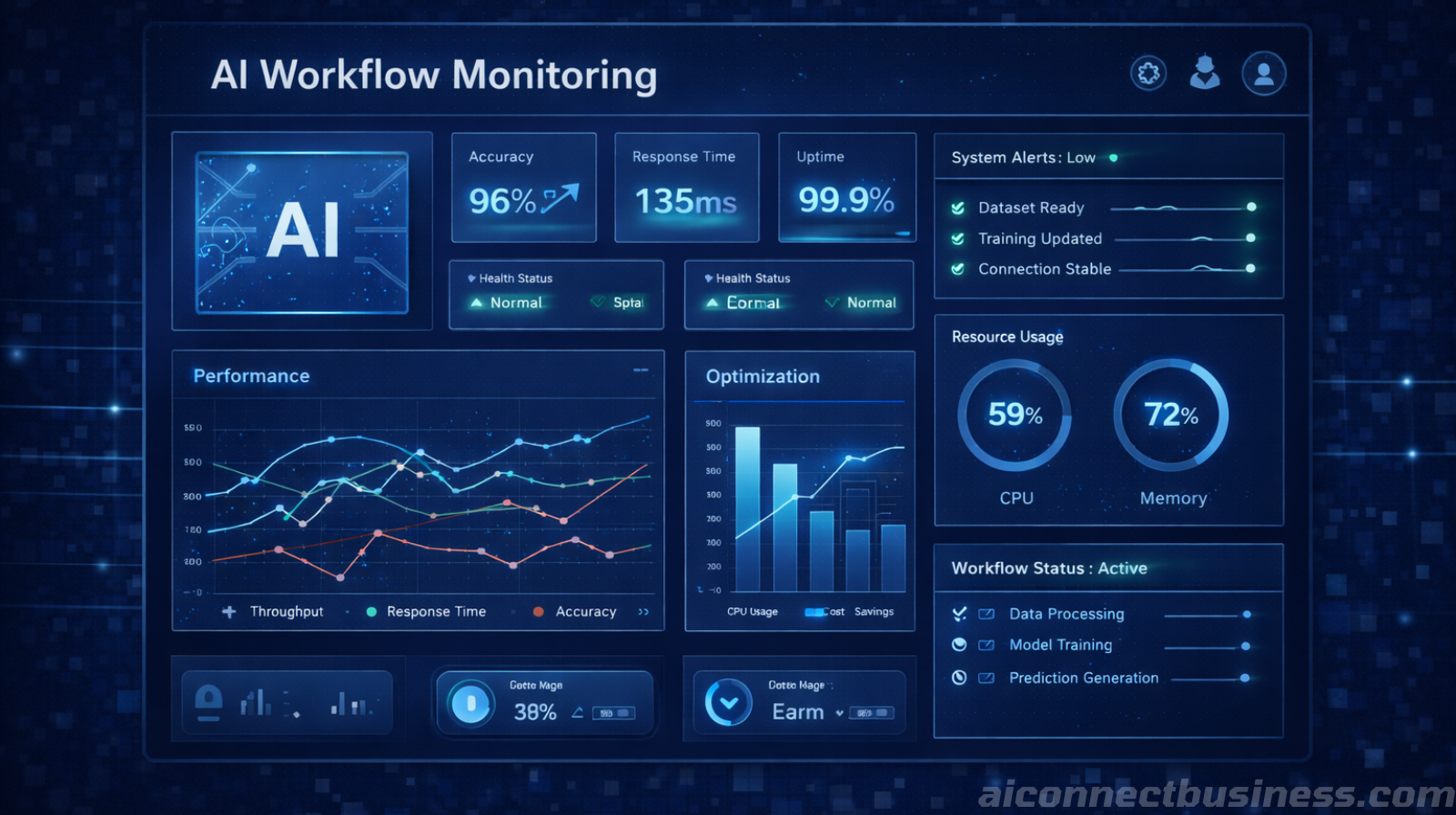
Discover why 70% of AI automation projects fail due to poor data quality and learn how to prepare your CRM, forms, and systems for successful automation.

Discover why AI automation requires ongoing optimization. Learn how monitoring, refining, and iterative improvements boost accuracy, speed, and ROI over time.

Address common AI security concerns for small businesses. Learn how to implement secure AI automation, RAG systems, and data protection without sacrificing efficiency.
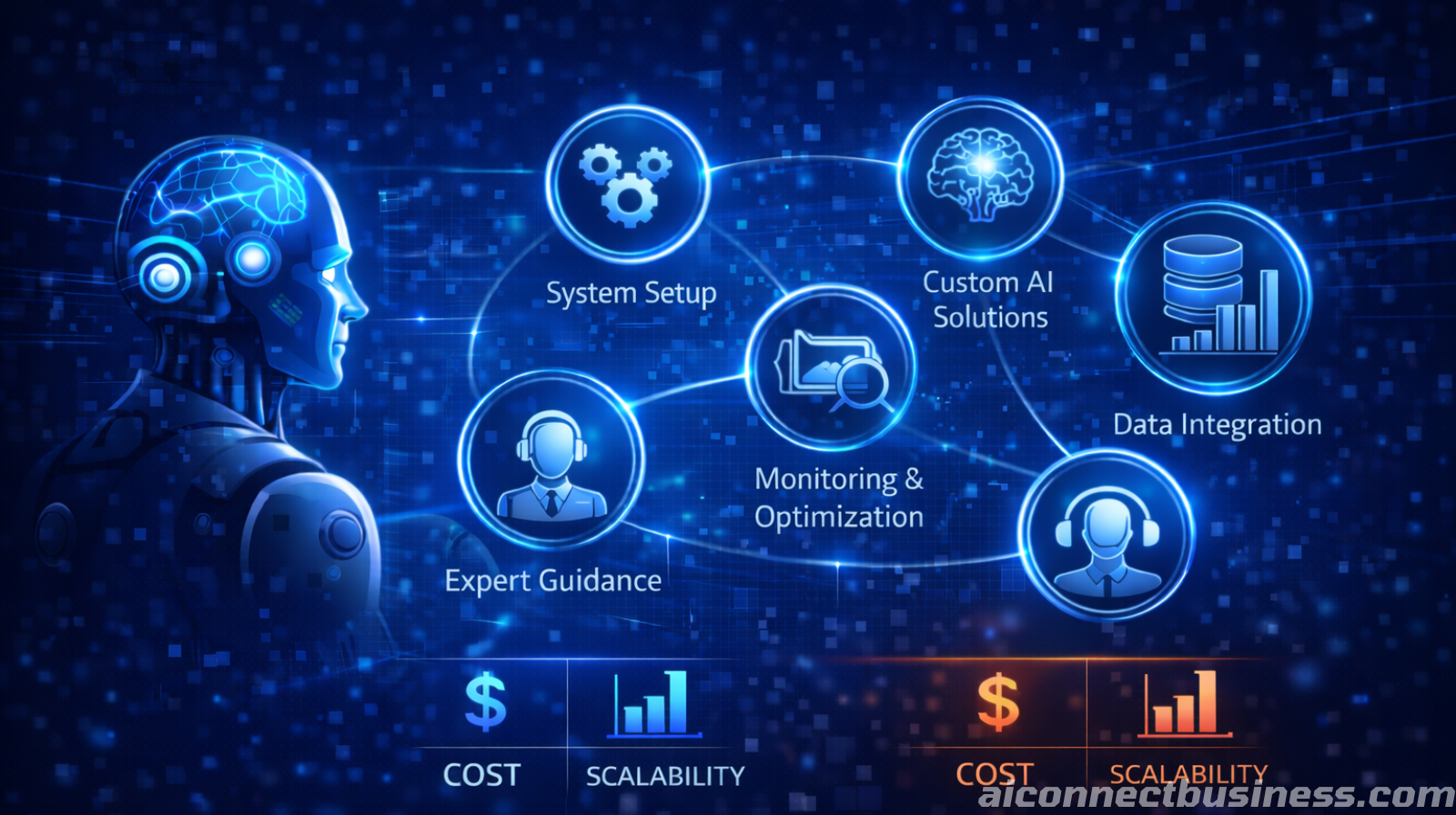
Discover what legitimate done-for-you AI automation services should include and how to avoid costly shortcuts that hurt your business.

Discover the real costs and scalability benefits of AI automation compared to hiring additional staff for your growing business.


You don’t need a tech team to start automating. We help small businesses scale faster by leveraging AI. Save time, reduces errors, and keep leads from slipping through the cracks.
Book Your Free AI Audit