.svg)

Discover why 70% of AI implementations fail and how a systems-first approach ensures successful AI adoption that actually improves your business operations.
Caed G.
December 19, 2025
Every week, another business owner tells us they tried AI and it didn't work. They bought expensive software, hired consultants, or implemented chatbots that customers hate. The result? Wasted money, frustrated teams, and the belief that "AI just isn't ready for our business."
Here's the reality: 70% of AI implementations fail not because the technology is flawed, but because businesses approach it backwards. They start with the AI tool instead of the system it needs to support.
The businesses that succeed with AI—the ones seeing 40% efficiency gains and 25% revenue increases—take a fundamentally different approach. They build systems first, then add AI to amplify what already works.

Most businesses approach AI like they're shopping for a magic solution. They see a demo of an AI phone agent or automation tool, get excited about the possibilities, and immediately try to implement it without considering how it fits into their existing operations.
Here's how the typical failed AI implementation unfolds:
This approach fails because AI amplifies whatever system it's built on. If your underlying processes are chaotic, AI will create organized chaos. If your data is messy, AI will make decisions based on messy data.
Sarah runs a 15-person marketing agency in Austin. She spent $8,000 on an AI content creation platform after seeing how it could "revolutionize" her client deliverables. Three months later, the tool sat unused.
The problem wasn't the AI—it was that Sarah's team had no standardized process for content creation. Different team members used different templates, approval workflows varied by client, and project requirements were stored in scattered emails and documents.
When we worked with Sarah using our systems-first approach, we first mapped her content creation process, standardized templates and workflows, and centralized project information. Then we integrated AI tools that enhanced each step. Result: 50% faster content delivery and higher client satisfaction.
A systems-first approach treats AI as an amplifier, not a replacement. Before implementing any AI technology, you build clear, documented processes that work reliably without AI. Then you identify specific points where AI can enhance efficiency, accuracy, or scale.
Document exactly how work flows through your business today. Map every step from initial customer contact to project completion, including decision points, handoffs, and quality checks.
Centralize and standardize the information AI needs to make good decisions. This includes customer data, project templates, pricing structures, and performance metrics.
Define specific, measurable outcomes you want AI to improve. Instead of "make us more efficient," aim for "reduce response time to customer inquiries from 4 hours to 30 minutes."
Design workflows where AI handles routine tasks while humans focus on strategy, creativity, and complex problem-solving.
Our systems-first methodology follows a proven three-phase approach that ensures AI implementations actually stick and deliver results.
We analyze your current operations to identify:
Before adding AI, we optimize your existing systems:
With solid systems in place, we add AI tools that enhance specific functions:
Even well-intentioned businesses make predictable errors when implementing AI. Here are the most costly mistakes we see:
If your current process doesn't work well manually, AI won't fix it. You'll just get faster, more consistent bad results. Always optimize the human process first.
AI needs clear instructions, consistent data, and defined parameters. The more specific your requirements, the better AI performs. Vague objectives lead to disappointing results.
Successful AI adoption happens gradually. Start with one process, perfect it, then expand. Trying to automate everything at once overwhelms teams and increases failure risk.
Your team needs training, support, and time to adapt to AI-enhanced workflows. Technical implementation is only half the battle—human adoption determines success.
You don't need a massive budget or technical expertise to implement AI successfully. Here's our recommended starting approach for small to mid-sized businesses:
Choose a single, repetitive process that impacts customer experience or team efficiency. Common starting points include:
Map exactly how this process works today:
Improve the process manually first:
Implement AI tools that enhance your optimized process:
Successful AI implementations produce measurable improvements in specific business metrics. Here's what our clients typically see within 90 days:
The systems-first approach works across industries, but implementation details vary based on business type and customer needs.
Law firms, accounting practices, and consultancies benefit from AI-enhanced client intake, document processing, and appointment scheduling. The key is standardizing service delivery before adding automation.
HVAC, plumbing, and electrical companies see immediate ROI from AI phone agents that qualify leads, schedule appointments, and provide service updates. Success requires clear service protocols and pricing structures.
Medical and dental offices use AI for appointment scheduling, insurance verification, and patient communication. HIPAA compliance and patient privacy require careful system design.
Online and brick-and-mortar retailers implement AI for inventory management, customer support, and personalized marketing. Product data quality and customer segmentation are critical success factors.
We've helped hundreds of businesses avoid the common pitfalls of AI implementation by starting with systems, not tools. Our proven methodology ensures your AI investment delivers measurable results from day one.
Ready to implement AI the right way? Schedule a free strategy call to discuss how a systems-first approach can transform your business operations without the typical implementation headaches.
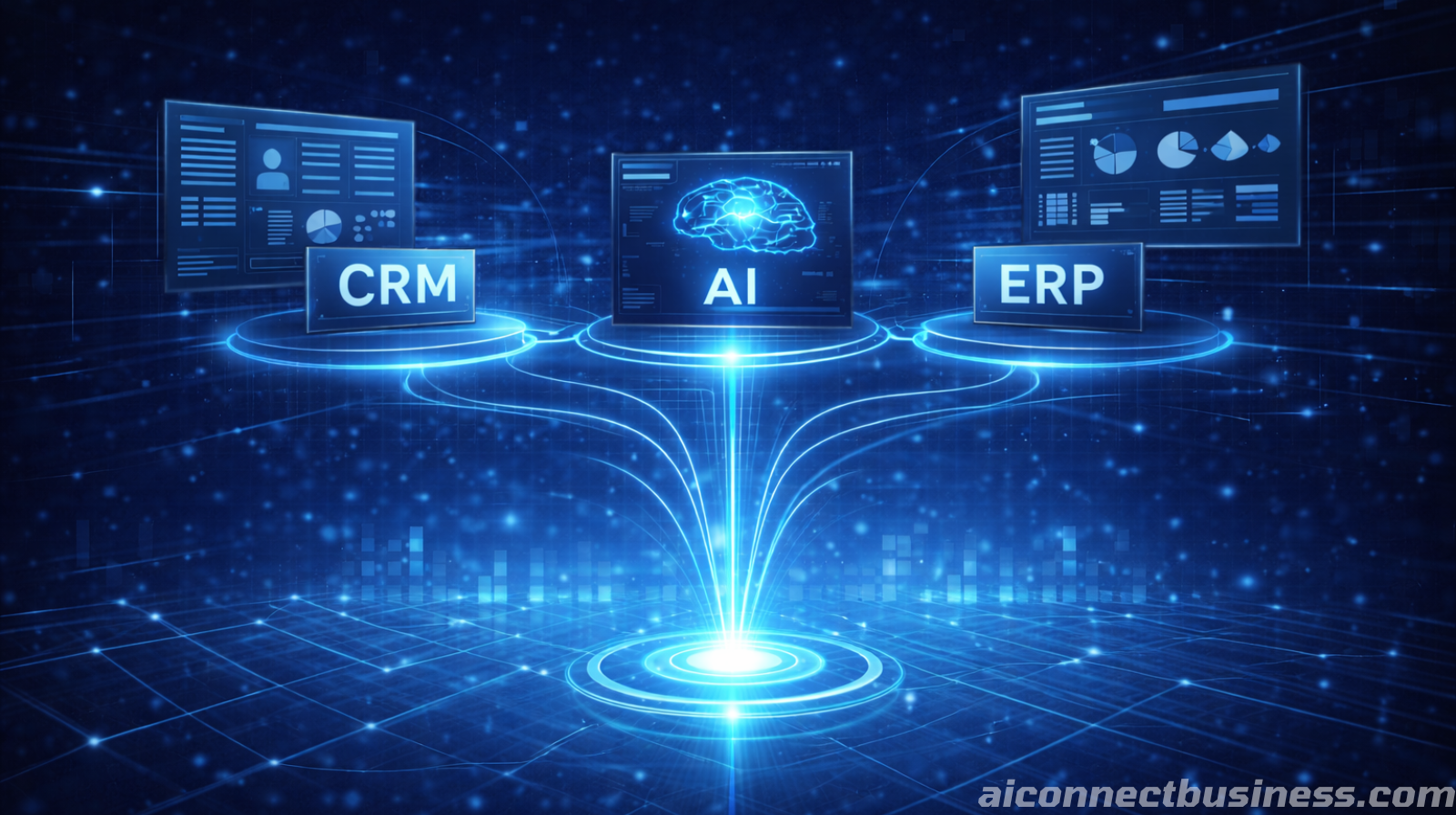
AI isn't failing businesses—businesses are failing AI by approaching it backwards. When you start with solid systems and add AI strategically, you get the efficiency gains and competitive advantages that make headlines.
The businesses thriving with AI in 2024 aren't the ones with the most advanced technology. They're the ones with the clearest processes, cleanest data, and most thoughtful implementation strategies.
Don't let your business become another AI failure statistic. Build systems first, then let AI amplify your success.
Explore our AI implementation services or use our ROI calculator to see the potential impact of a systems-first approach on your business.
Growth Automation is a system-level engagement designed to connect and orchestrate multiple automation lanes across your business. This service is built for companies that have moved beyond single-task automation and are ready to improve consistency, scalability, and performance across sales, operations, and internal workflows. We focus on how systems work together — connecting data, automations, and decision points — so your business runs as a coordinated system instead of disconnected tools. Automation evolves as your business grows, adapting to real-world operations rather than remaining static.
View Services →
Automation for professional service firms to improve lead follow-up, onboarding, and internal workflows.

Automation for manufacturing and industrial businesses to organize data and improve operational visibility.
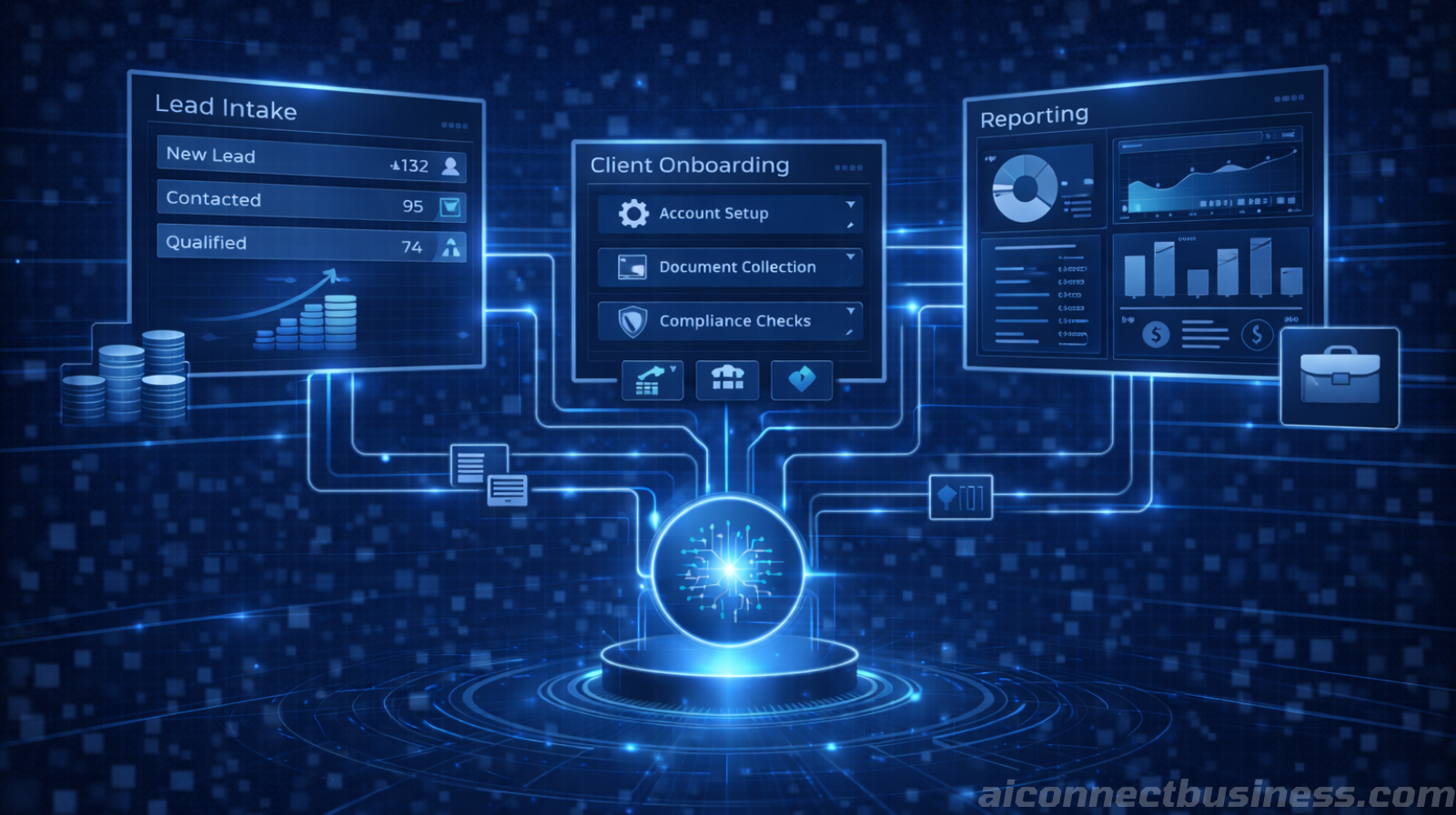
Automation for financial and insurance firms to improve lead handling and onboarding.

Automation for medical practices to reduce front-desk load and improve patient follow-up.

Discover why AI projects fail without proper team buy-in and learn practical strategies to overcome resistance, train effectively, and ensure successful adoption.
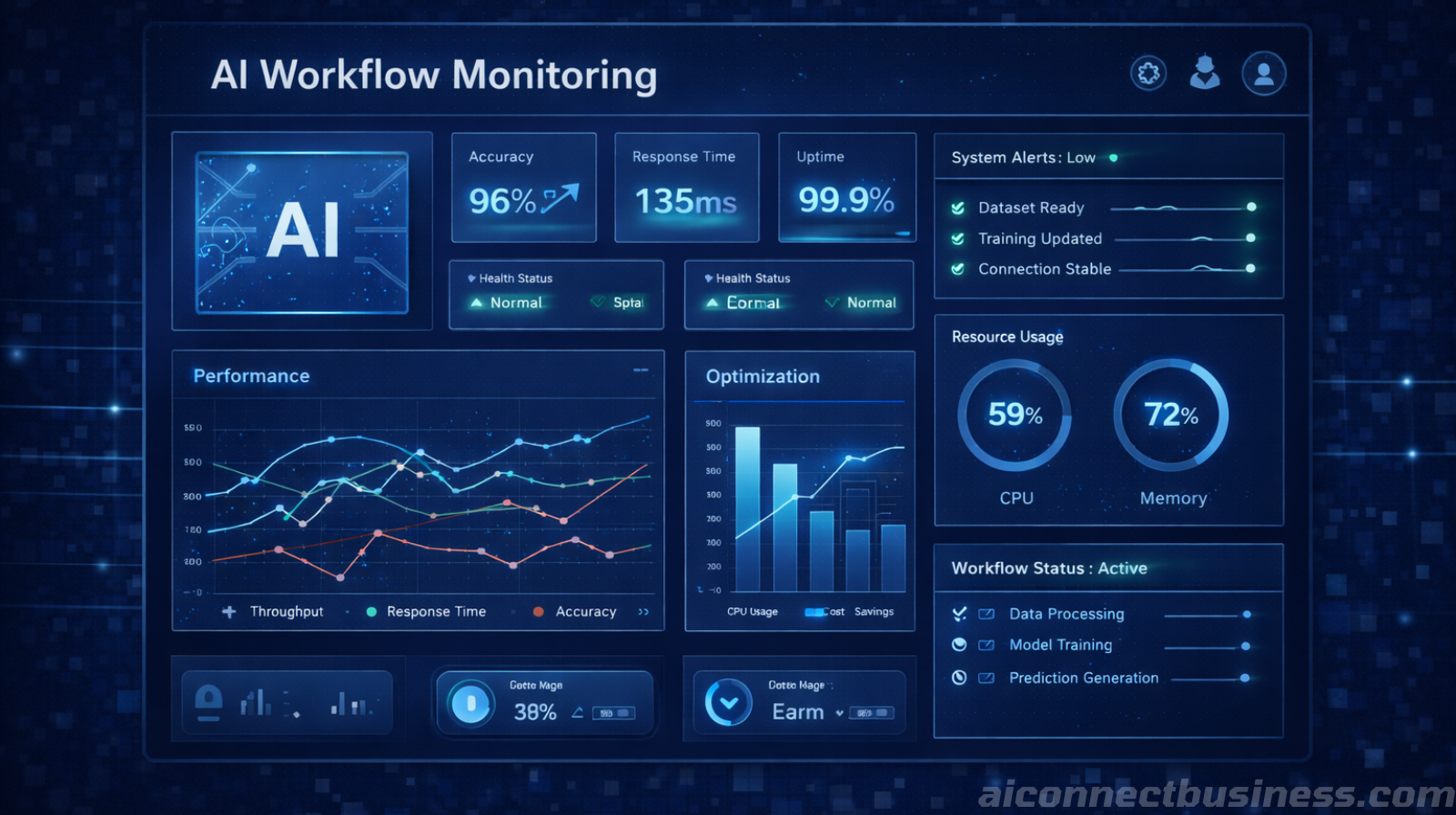
Discover why 70% of AI automation projects fail due to poor data quality and learn how to prepare your CRM, forms, and systems for successful automation.

Discover why AI automation requires ongoing optimization. Learn how monitoring, refining, and iterative improvements boost accuracy, speed, and ROI over time.

Address common AI security concerns for small businesses. Learn how to implement secure AI automation, RAG systems, and data protection without sacrificing efficiency.
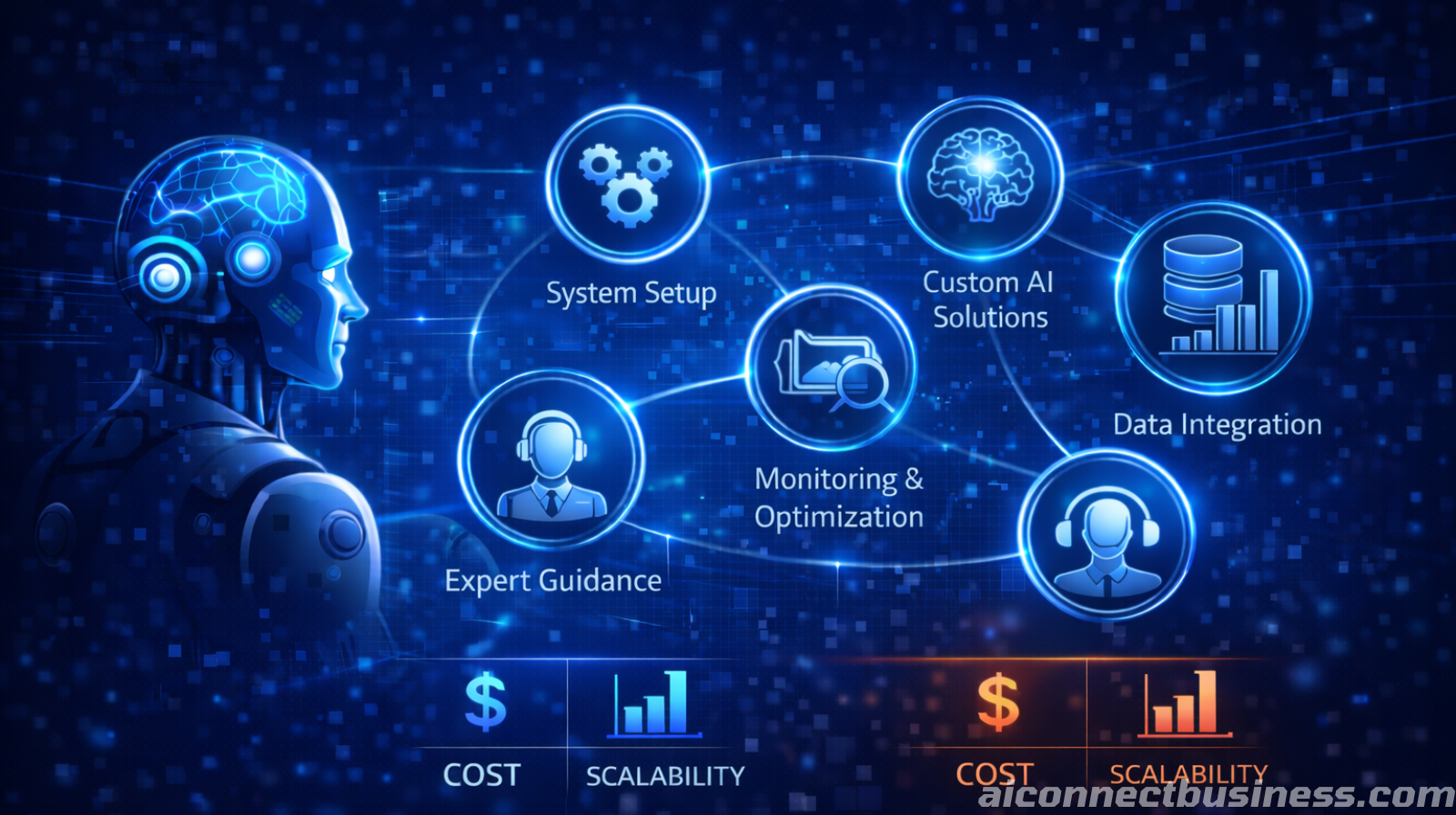
Discover what legitimate done-for-you AI automation services should include and how to avoid costly shortcuts that hurt your business.
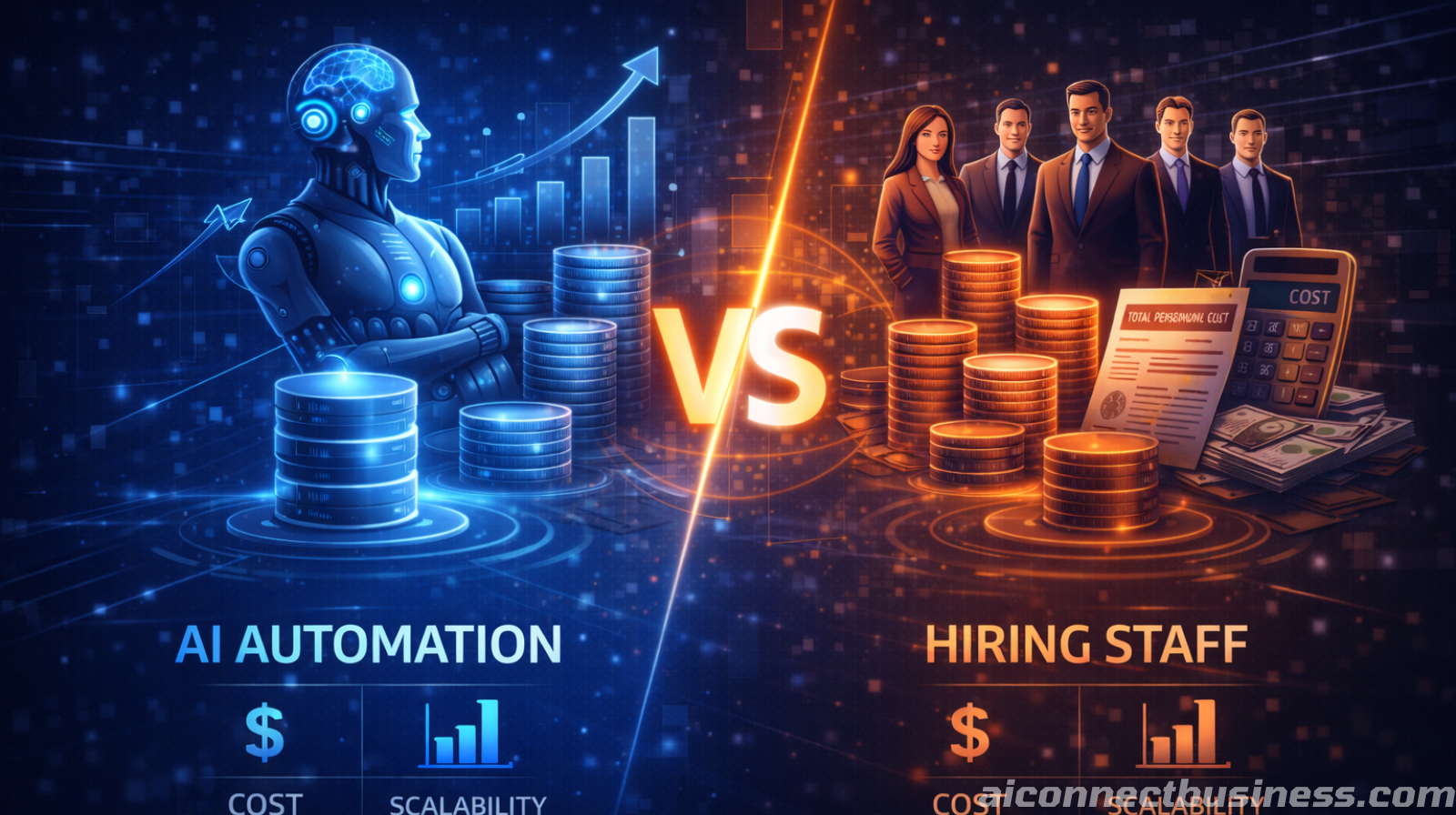
Discover the real costs and scalability benefits of AI automation compared to hiring additional staff for your growing business.

You don’t need a tech team to start automating. We help small businesses scale faster by leveraging AI. Save time, reduces errors, and keep leads from slipping through the cracks.
Book Your Free AI Audit